In today’s fast-paced digital world, where information spreads rapidly across various platforms, managing a brand’s reputation has become more critical than ever. One of the most effective ways to build and protect a brand’s image is through media relations. By fostering positive relationships with journalists, influencers, and media outlets, brands can influence public perception, enhance visibility, and manage crises more effectively. This blog post delves into how media relations contribute to brand reputation management, offering insights into strategies that businesses can adopt.
Understanding Media Relations
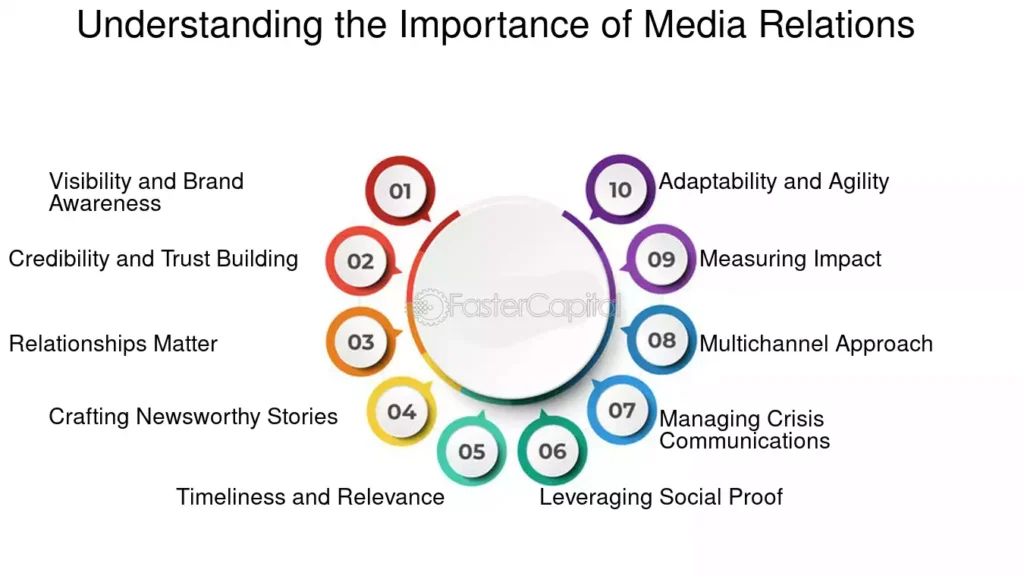
Media relations refer to the practice of managing a brand’s interactions with media professionals such as journalists, bloggers, editors, and other influential figures. A successful media relations strategy helps businesses share their message, promote their values, and establish authority within their industry. It acts as a bridge between a brand and its target audience, ensuring that accurate, compelling stories are shared through trusted channels.
Importance of Media Relations in Brand Reputation Management
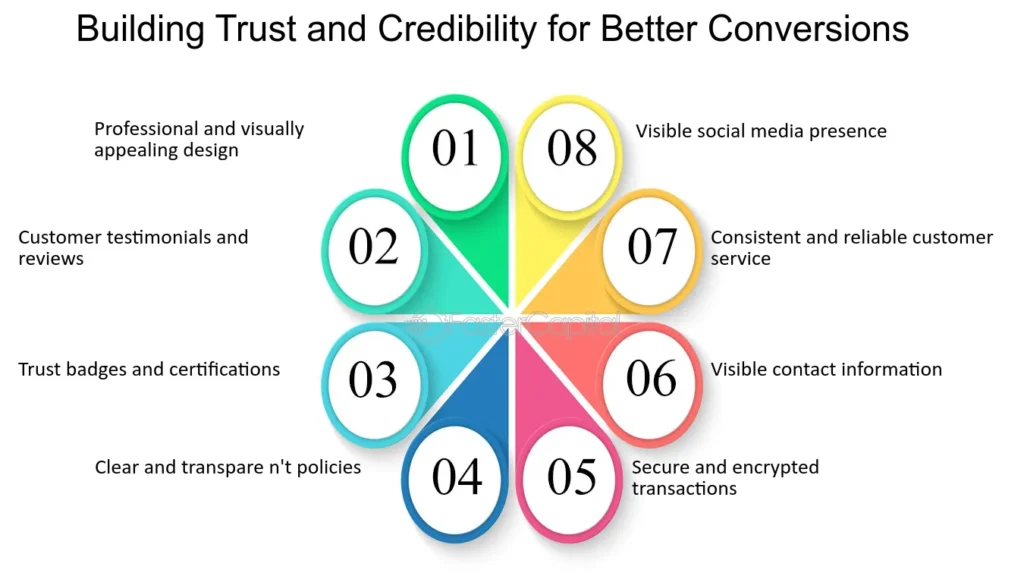
- Building Credibility and Trust
Positive media coverage enhances a brand’s credibility. When a business appears in reputable publications or is featured by influential journalists, it gains trust from its audience. Media outlets serve as third-party validators, which adds a layer of authenticity that advertising alone cannot achieve. Through consistent positive coverage, a brand’s reputation is solidified, leading to higher customer confidence and loyalty. - Enhancing Visibility
Media relations provide brands with exposure to a broader audience. Press releases, interviews, and feature articles can place a business in front of potential customers who might not have been aware of it otherwise. This visibility is crucial for expanding brand reach and ensuring that it remains top-of-mind within its target market. - Crisis Management
In times of a crisis, media relations play a pivotal role in managing how a brand is perceived. A well-crafted communication strategy can mitigate damage caused by negative publicity, misinformation, or unforeseen events. By engaging with the media and providing transparent, timely information, brands can rebuild trust and navigate through challenging situations. - Thought Leadership and Authority
Media relations offer brands the opportunity to establish themselves as thought leaders in their industry. By contributing expert insights, publishing opinion pieces, or being featured in industry-specific articles, businesses can showcase their knowledge and build authority in their niche. This not only enhances reputation but also opens doors for collaborations, partnerships, and business growth.
Effective Media Relations Strategies

- Personalized Outreach
Sending generic press releases to media outlets rarely yields results. Personalized outreach tailored to the journalist’s beat or the publication’s audience ensures relevance and increases the chances of getting coverage. Understanding the media’s needs and interests helps create content that resonates. - Storytelling
Journalists and readers are drawn to stories, not just press releases. Crafting compelling narratives that highlight a brand’s journey, challenges, and successes makes the brand more relatable and engaging. Stories that evoke emotions or inspire action have a higher likelihood of getting picked up by media outlets. - Consistency
Consistent communication is key to building a strong reputation. Establishing regular communication with media contacts and staying engaged with the media landscape ensures that a brand remains visible over time. This can involve proactive pitching, regular updates, and follow-ups to maintain strong relationships. - Digital Media Relations
In addition to traditional media outlets, digital media relations are equally important. With the rise of social media, bloggers, and online publications, brands must actively manage their digital presence. This involves engaging with influencers, sharing content across platforms, and monitoring digital conversations to respond effectively to feedback.
Measuring Success in Media Relations

To evaluate the success of media relations, brands should track key performance indicators (KPIs) such as:
- Media Impressions: The number of times content is viewed or shared.
- Mentions and Backlinks: Counting how often a brand is mentioned across online platforms.
- Media Coverage Quality: Assessing the prominence, tone, and relevance of media placements.
- Audience Engagement: Measuring interactions (likes, shares, comments) on social media and articles.
- Crisis Management Metrics: Monitoring how effectively the brand has handled negative publicity or crises.
Conclusion
Media relations serve as a powerful tool for managing and enhancing brand reputation. By fostering meaningful relationships with media professionals and crafting authentic stories, brands can effectively communicate their values, build trust, and navigate challenges. Whether through traditional press coverage or digital engagements, a well-executed media relations strategy ensures that a brand remains resilient in a competitive landscape while continuing to grow its positive reputation.