Corporate events play a pivotal role in fostering professional relationships, promoting brand image, and achieving business objectives. Whether it’s a product launch, annual conference, or team-building retreat, effective event planning and management are critical for ensuring a memorable and impactful experience. This guide delves into the essential aspects of planning and managing corporate events to help you execute them seamlessly.
1. Define the Purpose and Goals

Every successful corporate event begins with a clear understanding of its purpose and goals. Are you aiming to launch a new product, reward employees, or network with industry professionals? Defining the objective will shape every aspect of the event, from the venue to the program agenda.
- Identify Objectives: Ensure goals are Specific, Measurable, Achievable, Relevant, and Time-bound (SMART).
- Target Audience: Understand your audience demographics and tailor the event to meet their expectations and needs.
2. Establish a Budget

Setting a realistic budget is crucial to avoid overspending while ensuring quality. A comprehensive budget should cover all aspects of the event, including venue rental, catering, entertainment, marketing, and contingency funds.
- Break Down Costs: Categorize expenses into essential and optional to prioritize spending.
- Track Expenses: Use budgeting tools or software to monitor expenses and avoid surprises.
3. Choose the Right Venue

The venue sets the tone for the event and can significantly impact the attendee experience. Consider the following factors when selecting a venue:
- Capacity: Ensure the venue can comfortably accommodate your expected number of attendees.
- Location: Choose a location that is accessible and convenient for your audience.
- Amenities: Check for essential facilities such as parking, Wi-Fi, and AV equipment.
4. Develop a Detailed Event Plan

An effective event plan outlines all aspects of the event and ensures nothing is overlooked. Key components include:
- Timeline: Create a timeline that includes all milestones, from initial planning to post-event activities.
- Agenda: Develop a structured program with clear time slots for speeches, activities, and breaks.
- Logistics: Coordinate transportation, accommodations, and other logistical details to ensure a smooth experience.
5. Promote the Event

Effective promotion ensures high attendance and builds excitement around your event. Use a mix of marketing strategies to reach your target audience:
- Digital Marketing: Leverage email campaigns, social media, and event websites to spread the word.
- Print Media: Use flyers, posters, and banners for local promotion.
- Partnerships: Collaborate with sponsors or partners to extend your reach.
6. Focus on Attendee Engagement

Engaging your audience keeps the energy high and ensures attendees leave with a positive impression. Incorporate interactive elements into the event to boost participation.
- Networking Opportunities: Create dedicated spaces or sessions for networking.
- Interactive Activities: Use live polls, Q&A sessions, or workshops to engage attendees.
- Entertainment: Incorporate entertainment, such as keynote speakers, live music, or team-building activities.
7. Leverage Technology

Technology can streamline event planning and enhance the attendee experience. Consider the following tools:
- Event Management Software: Tools like Eventbrite or Cvent can handle registration, ticketing, and analytics.
- Mobile Apps: Custom event apps can provide schedules, maps, and real-time updates.
- Virtual Components: Incorporate live streaming or hybrid formats for wider reach.
8. Prioritize Risk Management
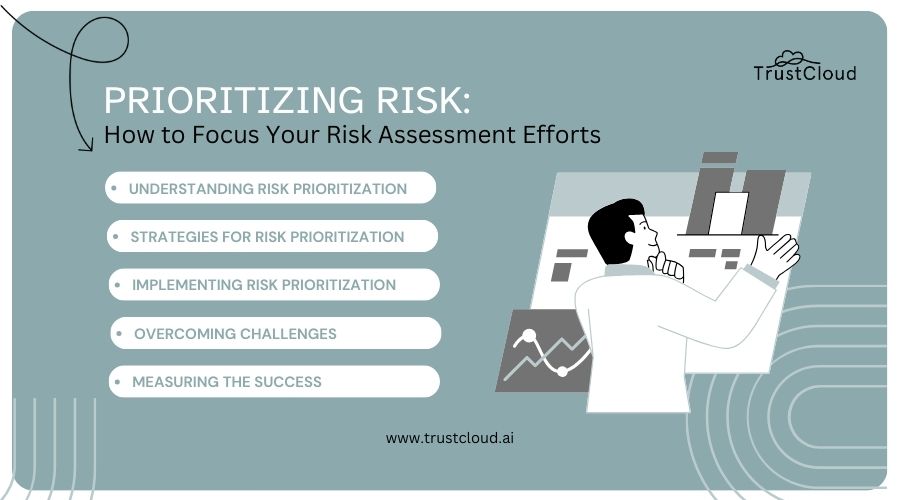
Planning for potential risks ensures the event proceeds smoothly, even if unexpected challenges arise.
- Contingency Plans: Prepare for common issues, such as weather disruptions, technical failures, or last-minute cancellations.
- Insurance: Consider event insurance to mitigate financial risks.
- Safety Protocols: Ensure safety measures are in place, including crowd management and emergency plans.
9. Measure Success

Evaluating the event’s success helps you learn and improve for future endeavors. Collect feedback and analyze key metrics to gauge performance.
- Surveys: Use post-event surveys to gather attendee insights.
- Analytics: Review registration data, attendance rates, and social media engagement.
- Goal Achievement: Assess whether the event met its original objectives.
10. Follow Up

Post-event follow-up maintains relationships with attendees and reinforces the event’s impact. Send thank-you emails, share event highlights, and keep the conversation going on social media.
Conclusion
Effective event planning and management for corporate events require careful attention to detail, clear communication, and a focus on attendee satisfaction. By following these steps, you can create impactful events that leave a lasting impression and contribute to your organization’s success. Whether you’re a seasoned event planner or new to the field, mastering these principles will set you up for success in delivering outstanding corporate events.