In today’s fast-paced and interconnected business world, effective corporate communications are no longer a luxury—they are a necessity. A well-crafted corporate communications strategy ensures that businesses not only convey their message clearly but also foster trust, strengthen their brand, and maintain a competitive edge. In this blog post, we will explore the key components of a corporate communications strategy and how businesses can implement it effectively.
Why Corporate Communications Matter
Corporate communications encompass all the ways an organization interacts with its various stakeholders, including employees, customers, investors, and the media. A robust communications strategy achieves several objectives:

- Enhances Brand Reputation: Consistent messaging helps build a strong, trustworthy brand identity.
- Boosts Employee Engagement: Clear internal communication ensures employees are aligned with the company’s mission and goals.
- Facilitates Crisis Management: A solid communication framework helps businesses navigate crises effectively.
- Strengthens Stakeholder Relationships: Transparent communication fosters loyalty and trust among stakeholders.
Key Elements of a Corporate Communications Strategy
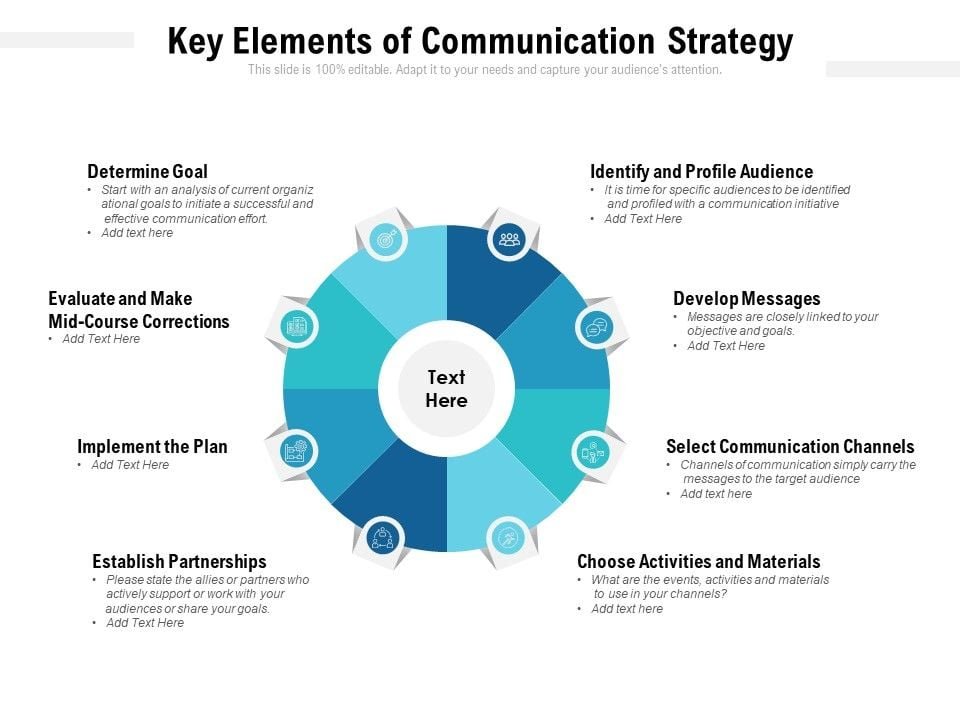
A successful corporate communications strategy is built on several foundational elements:
- Defining Objectives: Begin by identifying the goals of your communications strategy. Are you looking to boost brand awareness, improve internal collaboration, or manage a specific public relations challenge? Defining clear objectives will guide the rest of your strategy.
- Understanding the Audience: Different stakeholders require different approaches. For instance, employees might need updates through internal newsletters, while customers prefer engaging social media content. Create detailed audience personas to tailor your messaging effectively.
- Crafting Core Messages: Develop a set of consistent core messages that reflect your company’s values, mission, and objectives. These messages should resonate across all communication channels, ensuring a unified brand voice.
- Choosing Communication Channels: Select the most appropriate channels for your target audience. Examples include:
- Social media platforms for customer engagement.
- Email newsletters for investors and partners.
- Intranet portals and team collaboration tools for internal communication.
- Establishing a Content Calendar: A content calendar helps organize and schedule communications across various channels, ensuring consistency and timely delivery of messages. It should include key dates, campaigns, and milestones.
- Crisis Communication Plan: Every business should prepare for potential crises. Develop a crisis communication plan outlining:
- Key spokespersons.
- Communication protocols.
- Pre-drafted statements for various scenarios.
- Measuring Success: Use analytics tools to track the performance of your communications strategy. Metrics might include social media engagement, website traffic, email open rates, or employee satisfaction surveys. Regularly review these insights to refine your approach.
Implementing Your Corporate Communications Strategy

- Build a Dedicated Team: Assign roles and responsibilities to ensure the seamless execution of your strategy. This team might include public relations specialists, social media managers, content creators, and internal communications officers.
- Invest in Technology: Leverage tools like CRM systems, email marketing platforms, and analytics software to streamline communication processes and measure outcomes.
- Provide Training: Equip employees with the skills they need to communicate effectively, both internally and externally. Training sessions on branding, customer interaction, and crisis response can be invaluable.
- Foster a Feedback Culture: Encourage stakeholders to share their opinions and suggestions. Feedback loops can reveal areas for improvement and foster a sense of inclusion and collaboration.
- Stay Adaptable: The business environment is constantly evolving. Regularly revisit and update your strategy to keep it relevant and effective.
Challenges in Corporate Communications
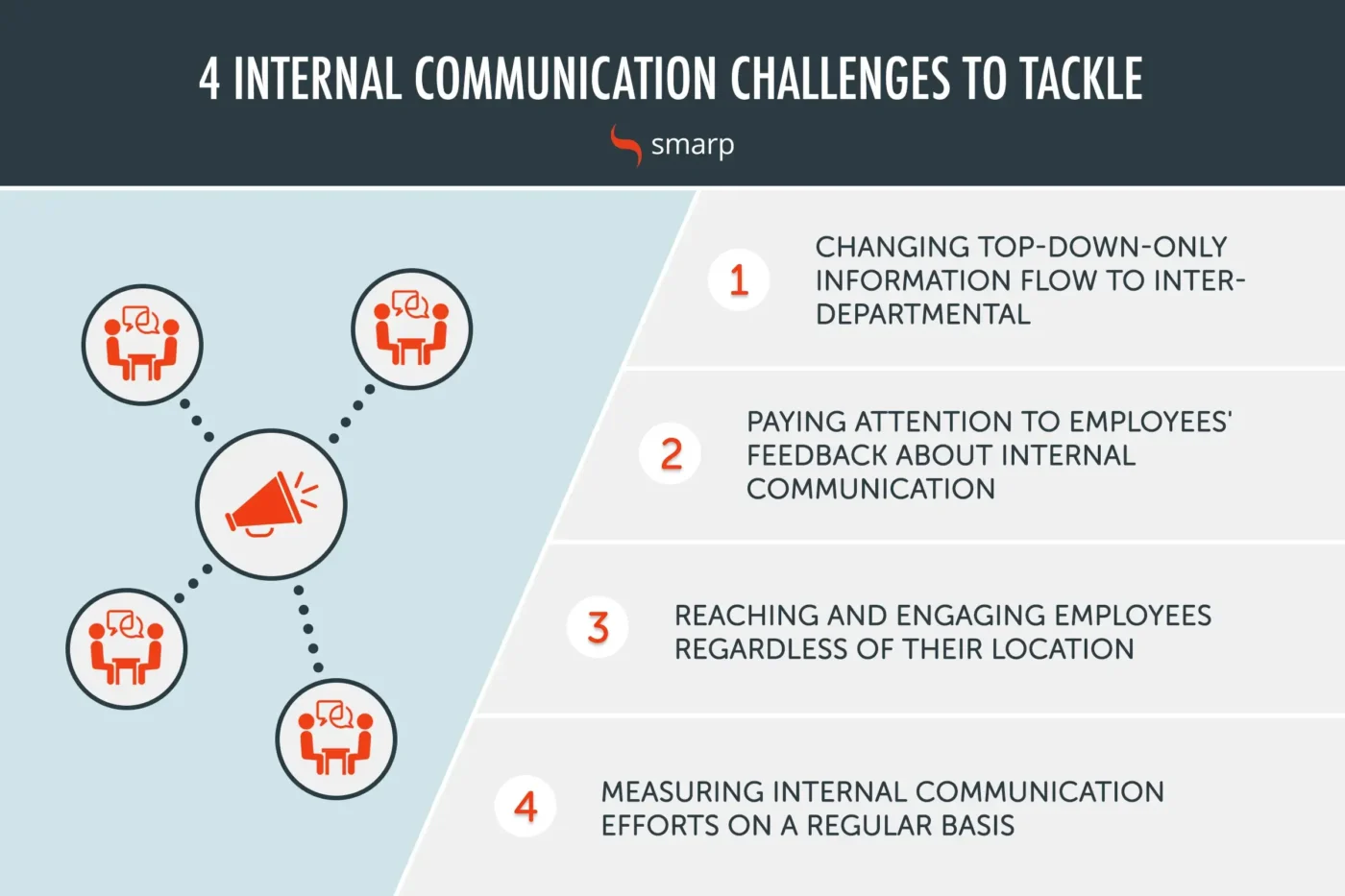
While a robust strategy can drive success, businesses may encounter challenges such as:
- Information Overload: Striking a balance between keeping stakeholders informed and overwhelming them with information is crucial.
- Cultural Differences: For global businesses, tailoring messages to different cultural contexts is essential.
- Maintaining Consistency: Ensuring uniform messaging across diverse platforms and teams can be a challenge.
Conclusion
A well-executed corporate communications strategy is a powerful tool for building a strong, resilient business. By understanding your audience, delivering consistent messaging, and adapting to changing circumstances, your organization can foster trust, enhance its reputation, and achieve its goals. Remember, communication is not just about sharing information—it’s about creating connections and driving action.