In today’s competitive digital landscape, having a robust online presence is crucial for business success. Search Engine Optimization (SEO) plays a vital role in driving organic traffic, improving search rankings, and ultimately increasing business growth. However, achieving these goals requires more than just implementing SEO best practices. Understanding and leveraging SEO analytics and reporting is essential to track progress, identify opportunities, and refine strategies for continuous improvement. In this blog post, we’ll explore how SEO analytics and reporting contribute to business growth.
The Importance of SEO Analytics
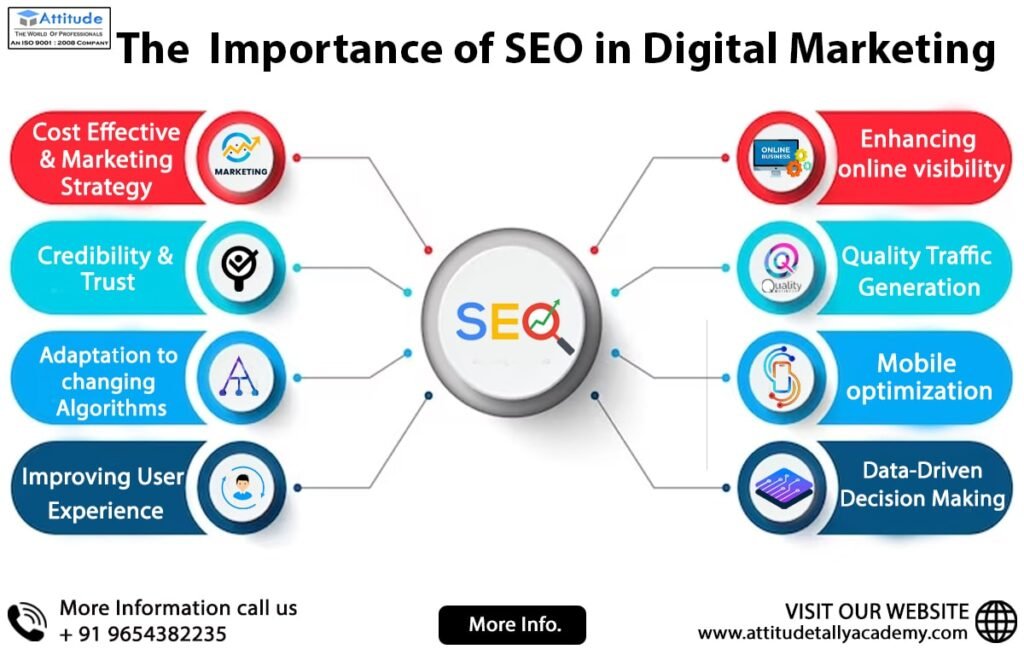
SEO analytics provide insights into how well your website performs in search engines, helping you understand user behavior, keyword effectiveness, and content performance. By analyzing data from SEO tools like Google Analytics, SEMrush, Ahrefs, or Moz, businesses can gain a deeper understanding of their audience and make informed decisions.
Key Metrics to Monitor
- Organic Traffic: This measures the number of visitors who find your website through search engines. Monitoring organic traffic helps assess how effective your SEO efforts are in attracting visitors.
- Keyword Rankings: Tracking keyword rankings allows businesses to see how well they are performing for targeted search queries. High rankings for relevant keywords indicate that your content is aligned with user intent.
- Bounce Rate: A high bounce rate indicates that visitors are not engaging with your site, which could suggest issues with content quality or user experience. Lower bounce rates indicate better user satisfaction.
- Conversion Rate: This metric tracks how many visitors take a desired action, such as making a purchase, signing up for a newsletter, or contacting your business. It reflects how well your SEO strategy drives meaningful results.
- Page Load Time: Faster loading pages improve user experience and reduce bounce rates. SEO analytics can reveal which pages need optimization for better performance.
Reporting for Business Growth
SEO reporting transforms data into actionable insights. Regular reporting allows businesses to evaluate their SEO performance, adjust strategies, and drive continuous growth. Effective SEO reports should highlight key findings, provide visualizations, and offer recommendations for improvement.
Elements of an Effective SEO Report

- Executive Summary: A concise summary that highlights key insights, successes, and areas needing attention. This section should be easy to understand for stakeholders.
- Traffic Overview: A breakdown of traffic sources, showing how much traffic comes from organic search, paid ads, social media, or referral links.
- Keyword Performance: Lists of keywords that are driving the most traffic and the rankings they hold. This section also includes trending keywords to explore for future content.
- Backlink Analysis: Insights into backlinks pointing to your site, which is a crucial factor for SEO. Identifying opportunities for acquiring high-quality backlinks can improve domain authority.
- Technical SEO: Reports focusing on technical aspects such as page speed, mobile-friendliness, and crawl errors. Fixing these issues improves the overall health of your site.
- Competitor Analysis: Comparing your SEO performance with competitors to identify gaps and potential opportunities for improvement.
Using Insights for Growth

Once SEO analytics and reporting highlight areas for improvement, businesses can implement targeted strategies to boost performance. For instance:
- Content Optimization: Using data from analytics, businesses can create content that addresses user needs and solves problems. Content tailored to specific keywords improves visibility.
- Local SEO: For businesses with physical locations, local SEO strategies are essential. Reports can provide insights into local search performance, helping businesses improve their local search rankings.
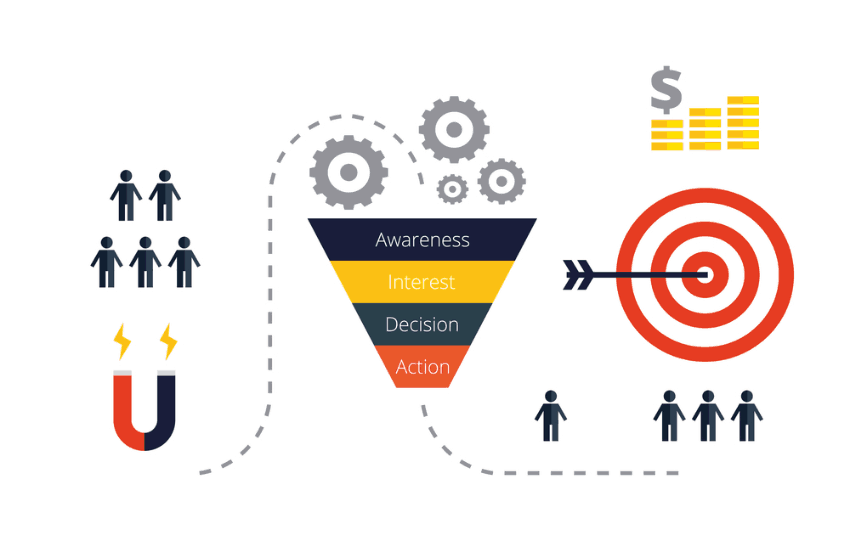
- Conversion Rate Optimization (CRO): Combining SEO analytics with CRO strategies ensures that visitors not only arrive but take action. Identifying bottlenecks in the conversion funnel can lead to more profitable outcomes.
Continuous Improvement
SEO is not a one-time effort but an ongoing process. Regularly monitoring analytics and generating comprehensive reports helps businesses stay ahead of industry trends, adapt to algorithm changes, and refine their SEO strategies.
In conclusion, SEO analytics and reporting are foundational for businesses aiming for sustainable growth. By understanding data insights, optimizing content, and improving user experience, businesses can drive more organic traffic, enhance visibility, and achieve long-term success in the digital space.