Sponsorship and partnership management are essential components for the success of any event. Whether you’re organizing a corporate conference, a music festival, a charity fundraiser, or a sporting event, securing and managing relationships with sponsors and partners can significantly enhance the event’s credibility, reach, and overall experience. In this blog post, we’ll explore key strategies for effective sponsorship and partnership management to ensure a seamless and mutually beneficial collaboration.
Understanding Sponsorship and Partnerships

Sponsorship refers to a financial or in-kind support provided by an individual, organization, or company to an event in exchange for marketing and promotional benefits. Partnerships, on the other hand, involve a more collaborative approach, where both parties work together to achieve shared goals and objectives. While sponsorship typically focuses on financial contributions and brand visibility, partnerships offer a more integrated experience, with joint efforts in planning, execution, and post-event analysis.
The Importance of Sponsorship and Partnership Management
- Enhanced Visibility and Brand Exposure: Sponsors and partners gain access to a captive audience through events, providing opportunities to showcase their brand, products, and services. This visibility can translate into increased recognition and trust within the target market.
- Shared Resources and Expertise: Partnering with organizations or sponsors allows event organizers to pool resources, such as talent, equipment, and logistics. This leads to more efficient event execution, reduced costs, and better overall results.
- Increased Credibility: A well-managed partnership can elevate an event’s credibility by associating it with reputable and respected organizations or brands. This can attract more attendees and participants who trust the quality of the event.
- Access to Broader Networks: Sponsors and partners bring their networks, which can help in promoting the event to a wider audience through social media, email marketing, and other channels.
- Sustainable Relationships: Effective management of sponsorships and partnerships can lead to long-term collaborations, enhancing future events by building upon previous successes.
Key Strategies for Effective Sponsorship and Partnership Management
1. Define Clear Objectives
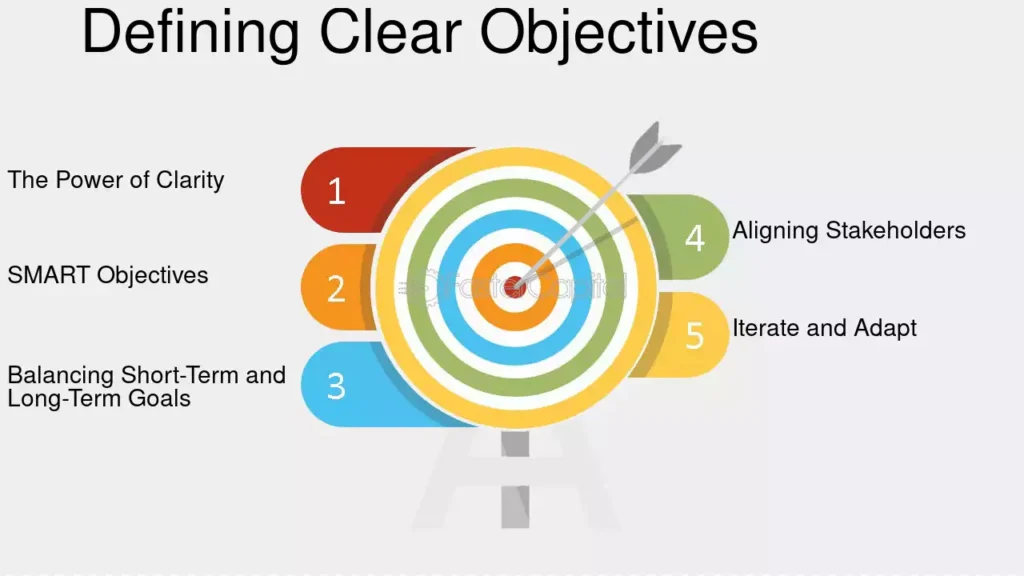
Before approaching potential sponsors or partners, it’s crucial to establish clear objectives for the event. What are the goals of the partnership? Is it brand awareness, lead generation, customer engagement, or a combination? Defining these objectives will ensure that both parties are aligned and working toward the same outcomes.
2. Research and Identify Potential Partners
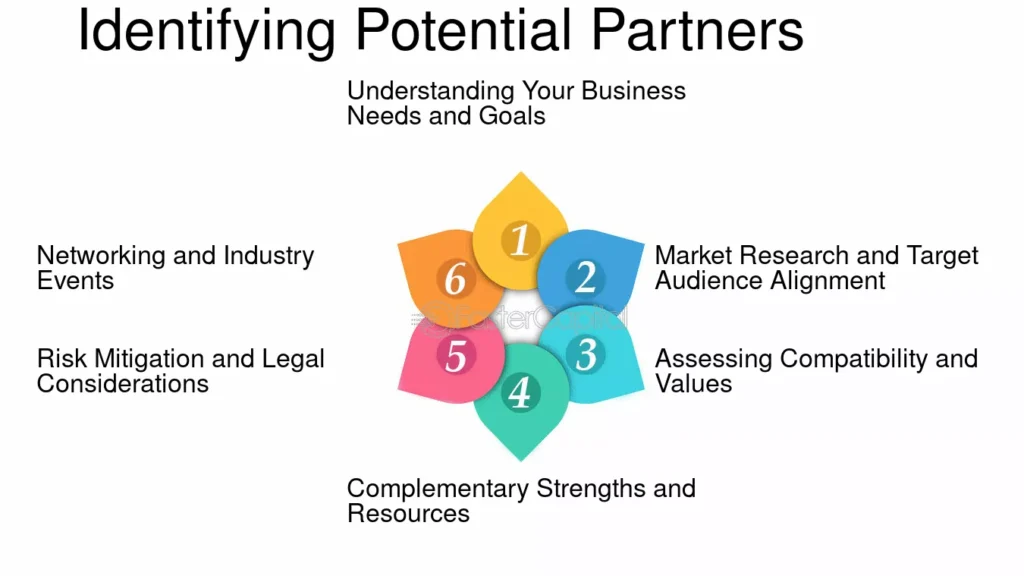
Not all sponsors or partners are created equal. Conduct thorough research to identify potential organizations, brands, or individuals that align with your event’s mission, target audience, and values. Look for those who have a vested interest in the industry or cause your event supports.
3. Create a Value Proposition
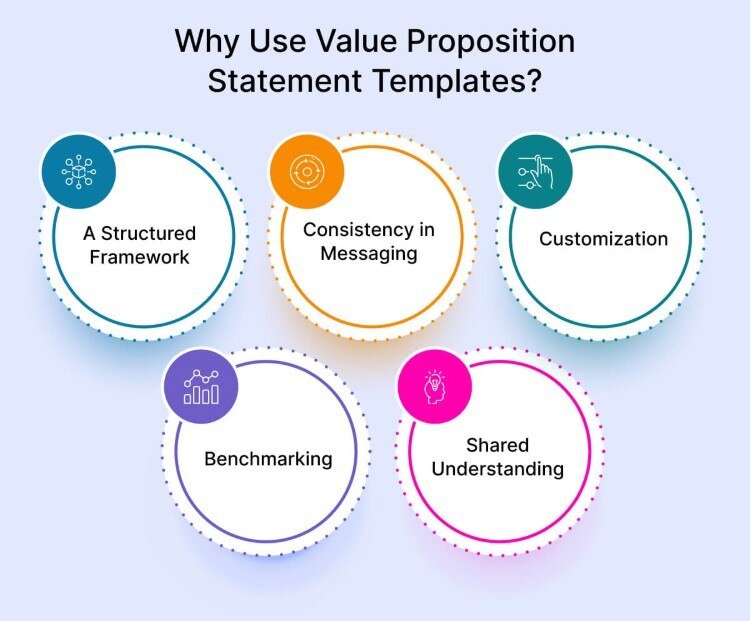
Your pitch to sponsors or partners should clearly articulate the value they will receive from the collaboration. This could include opportunities for branding, media exposure, customer engagement, and access to exclusive experiences or VIP treatment. Providing quantifiable benefits can increase the likelihood of securing a partnership.
4. Tailor Sponsorship Packages
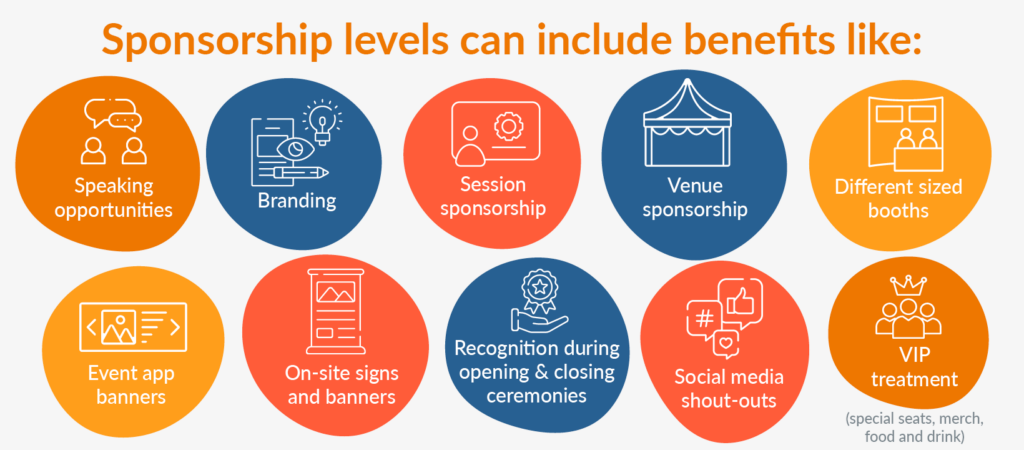
Each sponsor and partner may have different needs and expectations. Offer a range of sponsorship packages that can be customized based on their specific requirements. This could include naming rights, product displays, speaking engagements, or event space branding. Tailoring packages ensures that all stakeholders feel their involvement is meaningful.
5. Communication and Engagement

Effective communication is vital for maintaining positive relationships with sponsors and partners. Set expectations early and provide regular updates throughout the event planning process. After the event, follow up with feedback, insights, and metrics to demonstrate the success of the collaboration.
6. Manage Expectations and Deliverables

Clearly outline the responsibilities of each partner and sponsor. Ensure that deliverables are met, whether it’s providing marketing materials, event participation, or other agreed-upon tasks. Consistently monitoring progress helps mitigate risks and ensures accountability.
7. Measure Success and Evaluate Outcomes
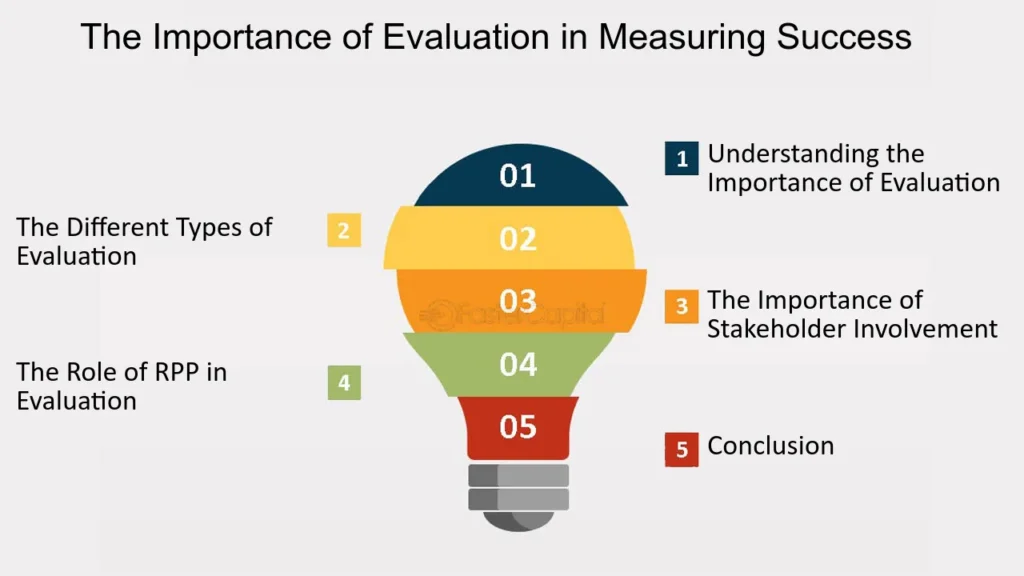
Post-event evaluation is critical to understanding the impact of sponsorships and partnerships. Gather data on audience reach, engagement levels, sales, and other metrics relevant to the objectives set earlier. Use this information to improve future partnerships and demonstrate value to potential sponsors.
Conclusion
Sponsorship and partnership management are indispensable tools for the success of events. By fostering strong, mutually beneficial relationships, event organizers can maximize brand exposure, streamline resources, and deliver memorable experiences for attendees. A well-executed partnership strategy not only enhances the event’s overall quality but also lays the groundwork for future collaborations. With the right approach, organizations can cultivate partnerships that drive long-term success and growth.