Product placement is a powerful marketing strategy that allows brands to seamlessly integrate their products into films, TV shows, video games, and other forms of media. Unlike traditional advertisements, product placement offers a more subtle, immersive approach to brand visibility. By appearing naturally within a storyline or scene, products can create a lasting impression on the audience. This approach has become increasingly popular in recent years as brands seek to connect with consumers in a more organic and authentic way. In this blog post, we will explore various product placement strategies and how brands can effectively leverage this marketing technique.
1. Understanding Product Placement
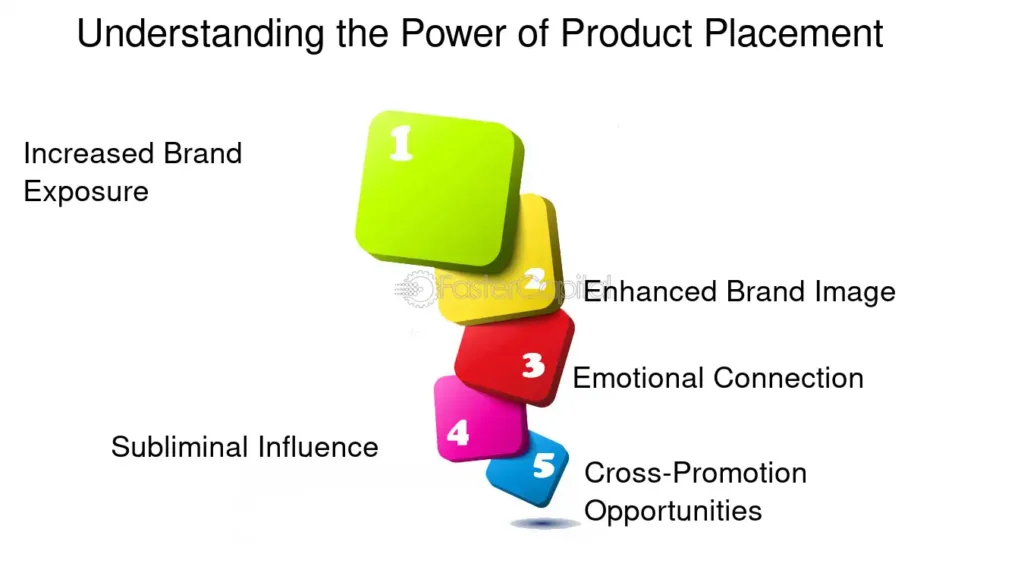
Product placement involves strategically placing a brand’s product or service within media content. The goal is to create a seamless integration where the audience perceives the product as part of the narrative, rather than an overt marketing message. This form of marketing can help build brand awareness, influence consumer perception, and drive sales.
Unlike other advertising channels like TV commercials or online banners, product placement often feels more natural because the product is woven into the context of the content, making it less intrusive and more relatable to the audience.
2. Types of Product Placement
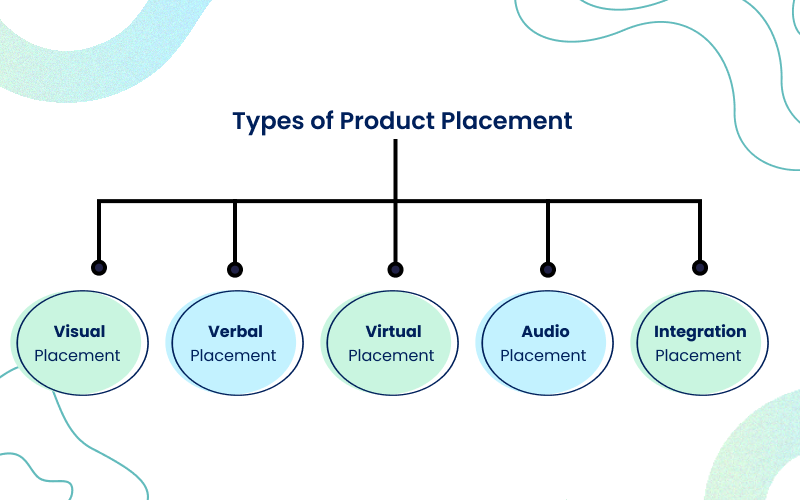
There are several types of product placement strategies that brands can use:
a. In-Show/Film Integration
This is one of the most common forms of product placement, where brands are integrated into the storyline or setting of a film, TV show, or web series. For example, a character might use a particular smartphone or wear a specific clothing brand throughout a show. This helps create visibility while maintaining the authenticity of the content.
b. Background/Environment Placement
This strategy places products in the background of scenes where the focus isn’t entirely on the product. For instance, a restaurant scene may include branded menus, chairs, or décor, subtly associating the brand with a specific ambiance.
c. Celebrity Endorsements
Celebrity product placement involves having well-known figures use or endorse a brand within media content. This adds a layer of social proof and influence, encouraging viewers to associate the product with the personality they admire.
d. Storyline Integration
Here, the product is an integral part of the storyline. For example, a plotline where characters solve problems using a specific app or use certain devices to achieve tasks creates a deeper, more meaningful relationship between the product and the audience.
3. Benefits of Product Placement
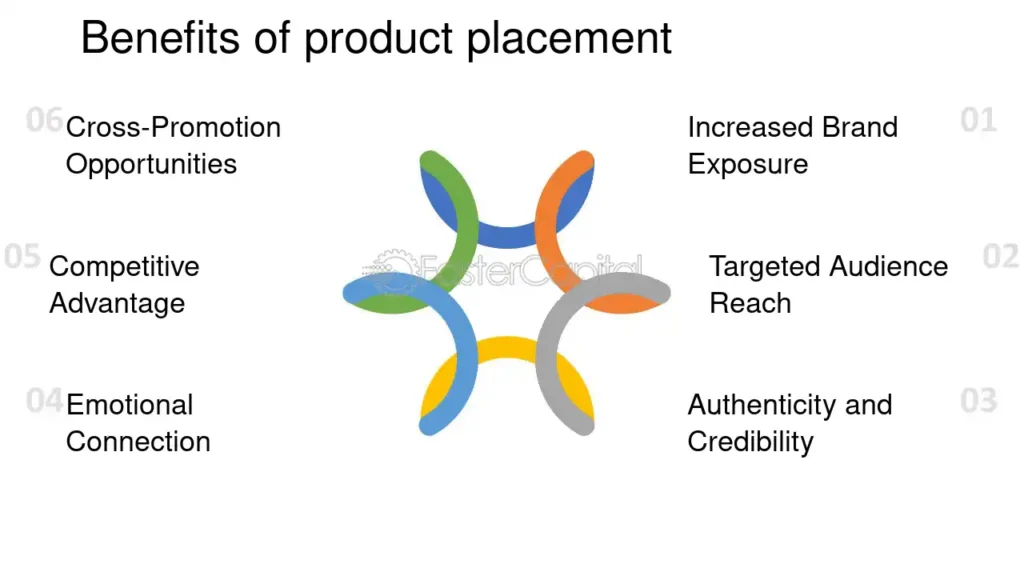
Product placement offers a range of benefits for brands looking to increase visibility and engagement:
- Enhanced Brand Awareness: When products appear in media content, they gain exposure to a broader audience without feeling intrusive.
- Increased Credibility: By appearing naturally within a storyline, products often feel more trustworthy, reducing skepticism associated with overt advertisements.
- Targeted Marketing: Product placement allows brands to reach a specific demographic. For instance, a tech gadget featured in a tech-focused show will attract tech enthusiasts.
- Long-Term Impact: Unlike traditional advertisements, product placements often have a longer shelf life because they remain embedded in media content indefinitely.
- Engagement and Emotional Connection: Brands that are seamlessly integrated into narratives often foster stronger emotional connections with audiences, leading to higher recall rates.
4. Effective Strategies for Product Placement
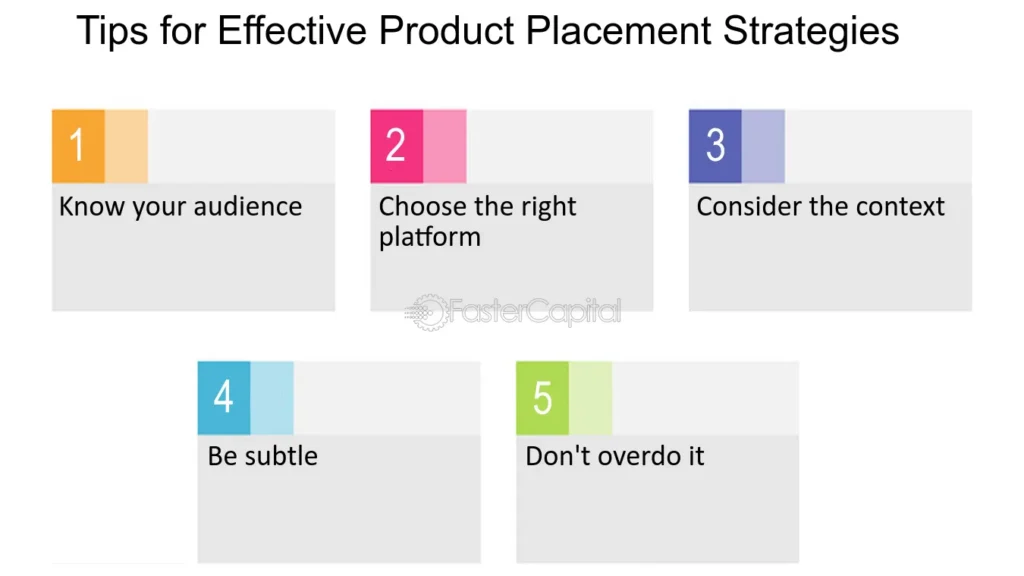
For product placement to be successful, brands must approach the process strategically. Here are some tips for making the most of this marketing technique:
a. Research and Selection
Identify the right media content that aligns with your brand’s values, target audience, and image. Ensure that the product is well-represented in a way that enhances the storyline and doesn’t seem forced.
b. Story Alignment
Ensure that the product serves a logical purpose within the storyline. Avoid placing products in situations where they feel out of place or irrelevant, as this can negatively impact viewer perception.
c. Long-Term Partnerships
Building long-term relationships with production teams or content creators ensures more consistent and integrated placements. Brands can benefit from recurring appearances over time, enhancing brand familiarity.
d. Creative Integration
Avoid simple, surface-level placements. Focus on creative ways to integrate products, such as interactive elements, narrative importance, or emotional storytelling.
e. Analytics and Evaluation
Track the effectiveness of product placement through metrics such as audience recall, engagement rates, social media interactions, and sales data. Continually refine your strategies based on these insights.
5. Examples of Successful Product Placements
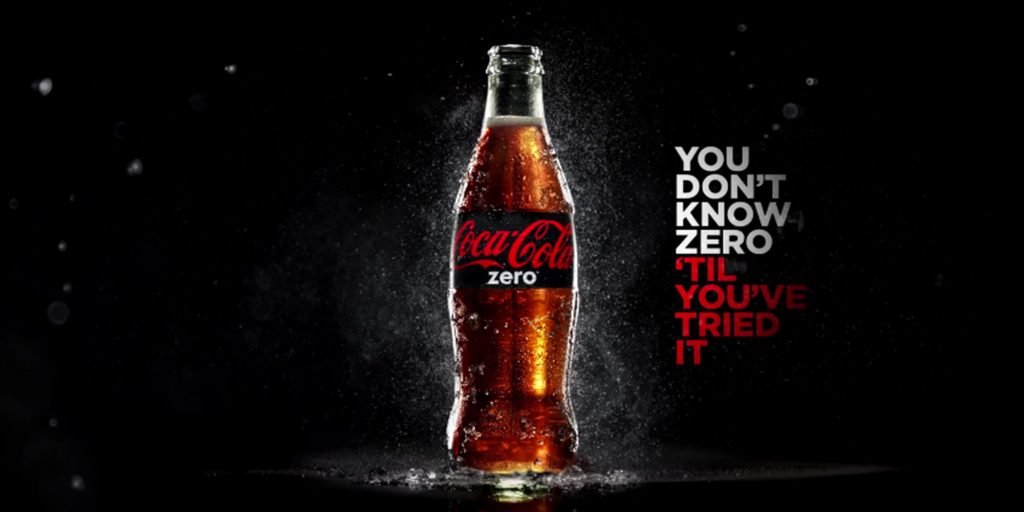
- Coca-Cola in Movies: Coca-Cola has a long history of product placement, with numerous films featuring the iconic brand as part of the story. Iconic examples include The Matrix, Men in Black, and Forrest Gump.
- Apple in Tech Shows: Apple has effectively placed its products in shows like The Office or Silicon Valley, where tech solutions and gadgets are integrated into the storyline, creating a natural fit.
- Doritos in Sports Events: Doritos has utilized product placement in high-profile sporting events, where the brand’s logo and packaging appear during crucial moments, enhancing visibility during large audiences.
Conclusion
Product placement has become an indispensable tool for brands aiming to make a lasting impression in an increasingly competitive market. By integrating products seamlessly into media content, brands can create authentic, memorable experiences that resonate with audiences. With thoughtful strategies and creative execution, product placement can transform the way consumers perceive and interact with products, fostering deeper connections and driving business growth.