In today’s digital landscape, press releases are more than just a way to announce news; they’ve become a powerful tool for enhancing search engine optimization (SEO). When written strategically, press releases can increase brand visibility, drive organic traffic, and improve search rankings. Here, we’ll explore how to write an SEO-optimized press release that delivers results.
1. Start with a Strong Headline

Your headline is the first thing readers and search engines notice. Make it compelling, concise, and keyword-rich. For instance, instead of “New Product Launch,” opt for “[Brand Name] Launches Innovative [Product Name] to Solve [Specific Problem].”
Tips:
- Use primary keywords naturally in the headline.
- Keep it under 70 characters to ensure it displays fully in search results.
2. Optimize Your Subheadings
Subheadings add structure to your press release and help readers quickly grasp the key points. They also provide an opportunity to include secondary keywords and improve the document’s SEO value.
For example, a subheading like “Revolutionary Features of [Product Name]” can highlight product benefits while incorporating relevant keywords.
3. Craft an Engaging Lead Paragraph

The lead paragraph should immediately grab attention while delivering the essential information: the who, what, when, where, and why. Including your primary keyword here can boost your press release’s visibility in search engines.
Example: “[Brand Name], a leader in [industry], today announced the launch of [Product/Service], designed to [specific benefit].”
4. Incorporate Keywords Strategically

Keywords are the backbone of SEO. Use them naturally throughout your press release—in the headline, subheadings, body, and anchor text. Avoid keyword stuffing, as it can make your content unreadable and harm your rankings.
Keyword Placement Tips:
- Include primary keywords in the first 100 words.
- Use variations of your keywords to maintain a natural flow.
- Ensure keywords are contextually relevant.
5. Write for Readers and Search Engines

While it’s important to optimize for SEO, your primary audience is human readers. Strive for clarity, conciseness, and engagement. Use active voice and avoid overly technical jargon unless your audience expects it.
6. Add High-Quality Backlinks

Backlinks play a crucial role in SEO. Include links to relevant pages on your website, such as product pages, blog posts, or contact forms. Use descriptive anchor text like “Learn more about [specific topic]” instead of generic phrases like “click here.”
Best Practices:
- Limit to 1-2 backlinks per 100 words.
- Link only to authoritative, relevant content.
7. Enhance Readability with Formatting

Proper formatting improves user experience and boosts SEO. Use short paragraphs, bullet points, and numbered lists to break up text. This makes your press release easier to scan, increasing engagement.
Example:
- Bullet Points: Highlight features or benefits.
- Bold Text: Emphasize key terms.
- Numbered Lists: Structure step-by-step instructions.
8. Include a Multimedia Element
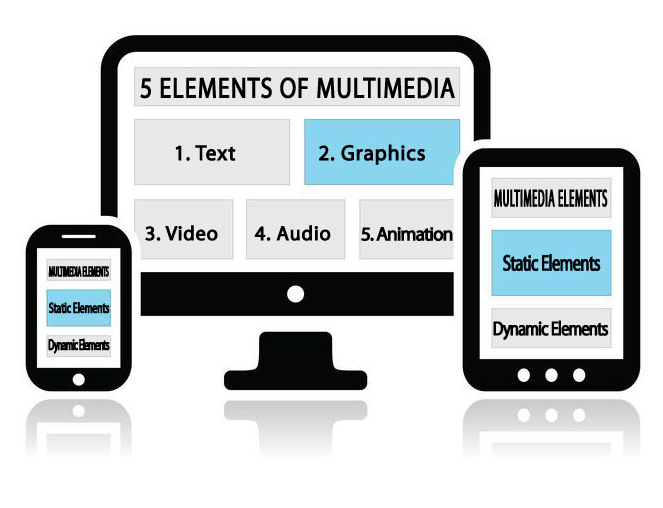
Images, videos, or infographics not only make your press release more engaging but also improve SEO. Ensure multimedia elements are optimized with descriptive file names and alt text containing relevant keywords.
9. Add a Clear Call to Action (CTA)
End your press release with a strong CTA, guiding readers on what to do next. Whether it’s visiting your website, signing up for a webinar, or contacting your team, a clear CTA can drive conversions.
Examples:
- “Visit [Website URL] to learn more.”
- “Contact us at [email address] for additional information.”
10. Distribute Your Press Release Effectively
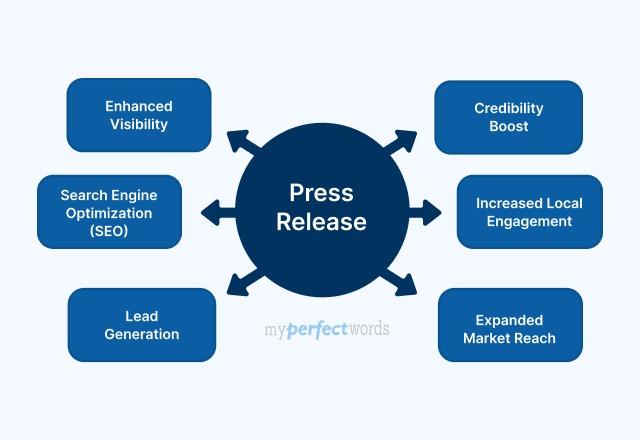
The distribution of your press release is just as important as its content. Submit it to reputable newswires, industry-specific platforms, and your website’s newsroom. Share it on your social media channels and email newsletters for maximum reach.
Popular Distribution Platforms:
11. Measure Performance

Track the success of your press release using analytics tools. Monitor metrics like:
- Website traffic generated
- Keyword rankings
- Social shares and engagement
- Backlinks acquired
This data will help refine your future press release strategies.
Conclusion
A well-crafted press release serves as both a marketing and SEO asset. By blending engaging content with strategic optimization, you can increase visibility, attract the right audience, and achieve your goals. Start implementing these tips today to unlock the full potential of press releases for SEO.