In the ever-evolving digital landscape, search engine optimization (SEO) plays a crucial role in ensuring that your online content reaches its intended audience. With millions of websites competing for attention, creating high-quality content optimized for search engines is essential for improving visibility, driving traffic, and ultimately achieving business success. This blog post explores the best practices for online content creation aimed at enhancing SEO rankings.
1. Understanding SEO and Its Importance
SEO is the process of optimizing your website content to rank higher in search engine results pages (SERPs). The primary goal is to improve organic traffic by making your content more relevant and accessible to search engines like Google, Bing, and Yahoo. High SEO rankings increase the likelihood of potential customers discovering your website when they search for related keywords.
Effective SEO involves both on-page and off-page strategies that collectively improve the overall performance of a website. On-page SEO focuses on elements within your website, such as content, images, meta descriptions, and internal links, while off-page SEO involves building backlinks, social signals, and online reputation.
2. Key Elements of Effective Content Creation for SEO
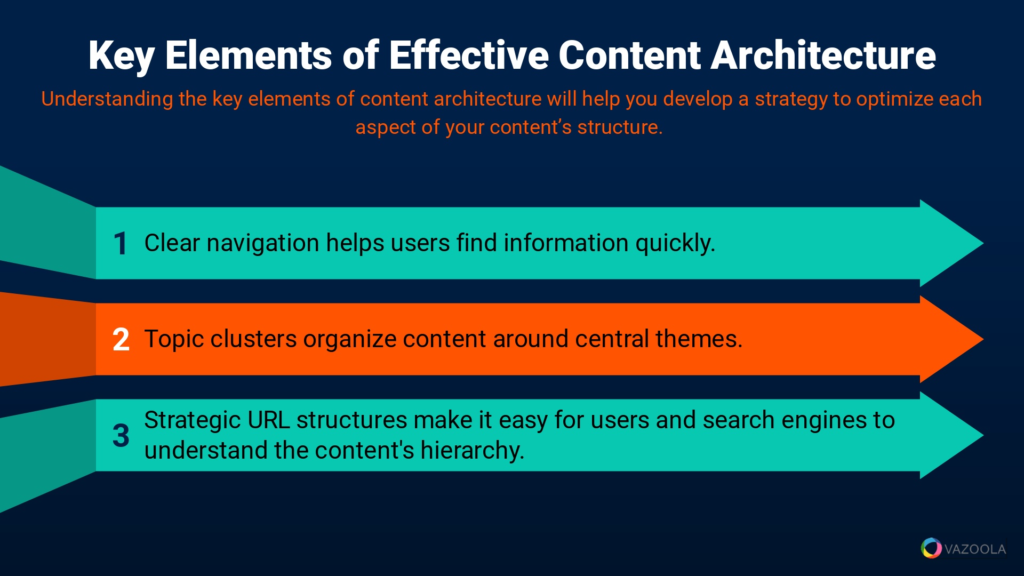
Creating SEO-optimized content goes beyond simply stuffing keywords into your articles. It requires a thoughtful approach that enhances the user experience, integrates relevant keywords, and provides value to your audience. Here are some key elements to consider:
a. Keyword Research
Keyword research is the foundation of SEO content creation. It involves identifying relevant search terms that your target audience is using to find information, products, or services. Tools like Google Keyword Planner, SEMrush, and Ahrefs can help uncover high-traffic keywords with low competition.
Focus on both primary keywords (main topics) and secondary keywords (related topics). Incorporate these keywords naturally throughout your content to ensure that search engines understand what your content is about without being over-optimized.
b. Quality Content
High-quality content is king in the SEO world. Search engines prioritize content that provides in-depth information, answers user queries, and offers a seamless experience. Aim to create content that is authoritative, relevant, and engaging.
Content types could include blog posts, videos, infographics, case studies, product descriptions, and more. Ensure your content aligns with user intent—whether it’s informational, transactional, navigational, or commercial.
c. On-Page SEO Optimization
On-page SEO involves optimizing various elements on your website to improve search engine visibility. Here’s what you need to focus on:
- Title Tags: Craft compelling and keyword-rich titles that encourage clicks.
- Meta Descriptions: Write concise and enticing meta descriptions for your content that summarize what the page is about.
- Headings: Use appropriate heading tags (H1, H2, H3) to structure your content and incorporate keywords naturally.
- Content: Ensure content is well-structured, readable, and optimized for relevant keywords.
- Internal and External Links: Add links to other relevant content within your site and reputable external sources to improve SEO authority.
d. Mobile Optimization and User Experience
Search engines prioritize mobile-friendly websites since most searches now come from mobile devices. Ensure your website is responsive and loads quickly to provide a smooth user experience. Page speed is a significant ranking factor, and faster pages tend to rank higher in search results.
3. Content Development Strategy
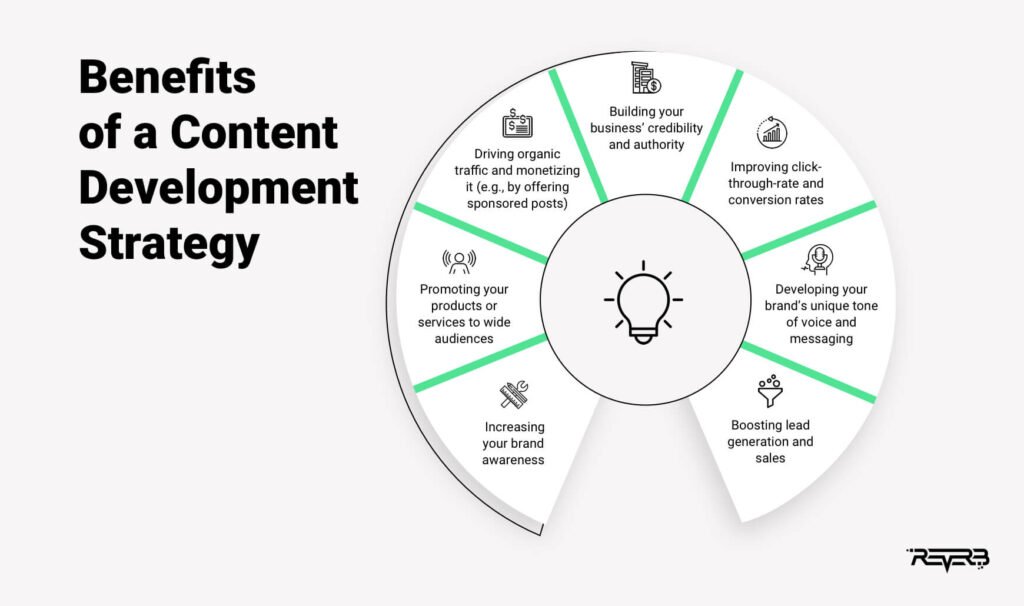
Creating content with a clear strategy ensures that you stay focused and targeted. Here’s how to go about it:
- Content Calendar: Plan your content in advance with a structured calendar that includes topics, keywords, and deadlines.
- Content Audits: Regularly review and update existing content to ensure it aligns with current SEO best practices.
- User-Centric Approach: Focus on the needs and preferences of your target audience by conducting surveys or engaging in customer feedback.
4. Promoting Content for SEO
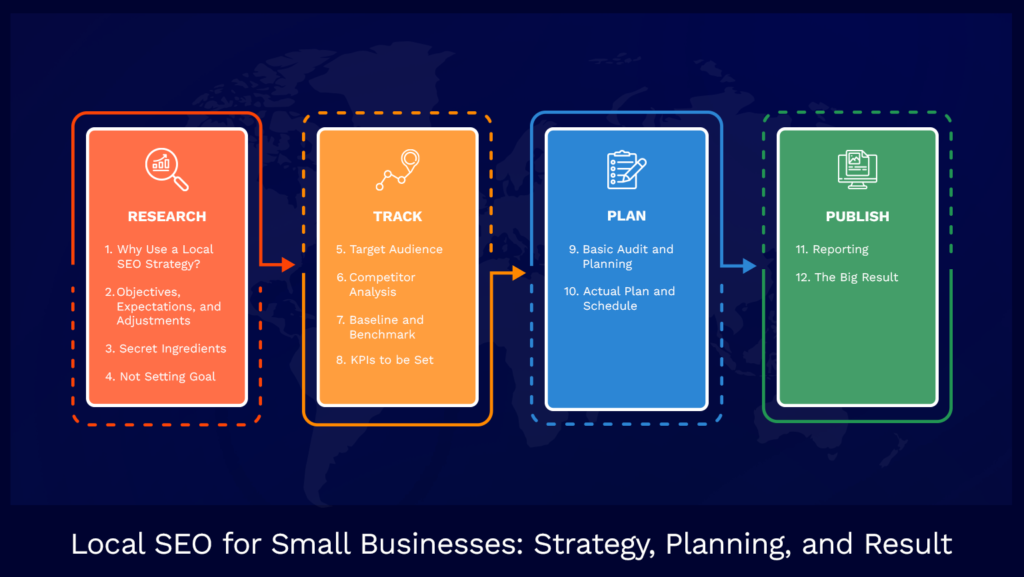
Creating great content doesn’t end with publishing—it’s crucial to promote it to increase visibility. Share your content on social media platforms, engage in relevant online communities, and leverage email marketing for distribution.
Additionally, consider guest posting and building high-quality backlinks to improve your site’s domain authority, which plays a significant role in SEO rankings.
5. Measuring and Improving SEO Performance
After publishing content, continuously monitor its performance using tools like Google Analytics and Search Console. Track key metrics such as organic traffic, bounce rate, time on page, and conversions to evaluate the success of your SEO efforts.
By optimizing your content regularly, you ensure that it stays relevant and continues to rank well over time.
Conclusion
Online content creation tailored for SEO is an ongoing process that requires strategy, creativity, and constant refinement. By focusing on high-quality content, incorporating relevant keywords, optimizing for user experience, and promoting your content effectively, you can boost your website’s SEO rankings and attract a larger audience. Stay updated with the latest SEO trends and adjust your approach accordingly to stay competitive in the digital space.