In today’s fast-paced and competitive market, establishing a strong presence through media relations is crucial for businesses and brands looking to succeed. Media relations involve managing the communication between an organization and the media, fostering relationships with journalists, influencers, and other media professionals, and ensuring that the brand’s message is accurately represented in the public eye. A well-executed media relations strategy can significantly enhance a business’s visibility, reputation, and credibility, driving growth and success. This blog post will delve into the essentials of comprehensive media relations, highlighting key strategies and best practices for businesses and brands to harness the power of media.
Understanding Media Relations
Media relations go beyond simple press releases and responding to journalist inquiries. It encompasses building a strong communication framework that engages with various media outlets, ensuring that the brand’s story is consistently and effectively communicated. By building relationships with journalists, bloggers, editors, and other media professionals, businesses can secure valuable coverage, tell their story, and connect with their target audience.
Key Components of Comprehensive Media Relations
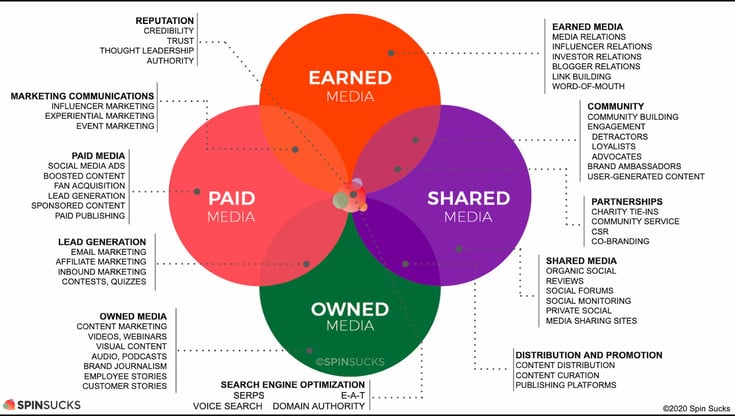
- Develop a Strong Media Strategy A well-defined media strategy sets the foundation for effective media relations. It involves understanding the target audience, identifying key media outlets, and creating tailored messaging that resonates with both media professionals and the intended audience. Businesses should conduct thorough research to identify which media platforms align with their brand values and objectives.
- Craft Compelling Press Releases and Media Kits Press releases remain a cornerstone of media relations. They provide journalists and media outlets with clear, newsworthy information about the business’s latest developments, such as product launches, company milestones, partnerships, or industry insights. To stand out, press releases should be concise, engaging, and include visuals like images or videos when applicable. Similarly, a media kit, which includes background information, key executives, company history, and other supporting materials, serves as a comprehensive resource for media professionals covering the brand.
- Build Relationships with Media Professionals Media relations thrive on relationships. Creating genuine connections with journalists and influencers allows for consistent communication and a deeper understanding of the brand’s messaging. Networking at industry events, attending press conferences, and engaging on social media platforms help build trust and credibility with media professionals.
- Leverage Social Media and Digital Platforms In today’s digital landscape, social media plays a pivotal role in media relations. Platforms like Twitter, LinkedIn, Instagram, and Facebook offer businesses the opportunity to share real-time updates, interact with journalists, and engage with a broader audience. Social media enables businesses to amplify their media presence and respond quickly to media inquiries.
- Monitor Media Coverage and Respond Appropriately Monitoring media coverage is essential to understanding how a brand is perceived. Tools like Google Alerts, brand mentions, and media monitoring services help track media coverage in real-time. Keeping an eye on both positive and negative mentions allows businesses to respond effectively, ensuring that any criticism is handled professionally, and opportunities for engagement are maximized.
- Create a Crisis Communication Plan No media strategy is complete without a crisis communication plan. Unexpected events, negative press, or controversies can arise, and a well-prepared crisis management strategy ensures that the brand can respond swiftly and transparently. This involves appointing a spokesperson, drafting key messages, and defining protocols for media interaction during such events.
Benefits of Comprehensive Media Relations

- Increased Brand Awareness
Through consistent media coverage, businesses can reach wider audiences, build trust, and establish thought leadership in their industry. Media exposure enhances visibility, positioning the brand as an authority in its niche. - Reputation Building and Management
Positive media coverage fosters a strong reputation. Businesses that are frequently featured in reputable outlets gain credibility, making it easier to build customer trust and partnerships. - Lead Generation and Engagement
Media relations can drive significant traffic to websites, generate leads, and increase engagement with the brand’s offerings. Well-crafted stories and media placements encourage potential customers to learn more and interact with the business. - Crisis Mitigation
A robust media relations strategy helps mitigate risks during crises. By maintaining good relationships with the media, businesses can effectively manage public perceptions, maintain control over messaging, and limit reputational damage.
Conclusion
Comprehensive media relations provide businesses and brands with a powerful tool to shape public perception, engage with audiences, and drive growth. By developing a strategic, well-rounded approach that includes press releases, relationship-building, social media, and crisis management, companies can ensure that their messages are consistently communicated across various media platforms. With a strong media relations strategy in place, businesses can elevate their visibility, foster trust, and maintain long-term success in a competitive marketplace.