In today’s competitive market, having a solid brand strategy and clear messaging is no longer optional—it’s essential. A well-crafted brand not only differentiates your business but also fosters trust and loyalty among your audience. Whether you’re a startup or an established enterprise, investing in your brand strategy and messaging is key to long-term success.
What Is Brand Strategy?
Brand strategy is the blueprint that defines your business’s identity, purpose, and direction. It encompasses your company’s values, mission, vision, target audience, and competitive positioning. Think of it as the framework that guides how your brand looks, feels, and interacts with the world.
A strong brand strategy answers critical questions such as:
- Who are we as a company?
- What do we stand for?
- Who are we trying to reach?
- How do we want to be perceived?
The Importance of Messaging in Branding

Messaging is the voice of your brand. It includes the words, tone, and language you use to communicate with your audience. Clear and consistent messaging conveys your value proposition, highlights what makes your business unique, and builds emotional connections with your customers.
Your messaging should align with your brand’s strategy to ensure that every interaction—whether it’s a social media post, email, or advertisement—feels cohesive and authentic.
Key Components of a Successful Brand Strategy
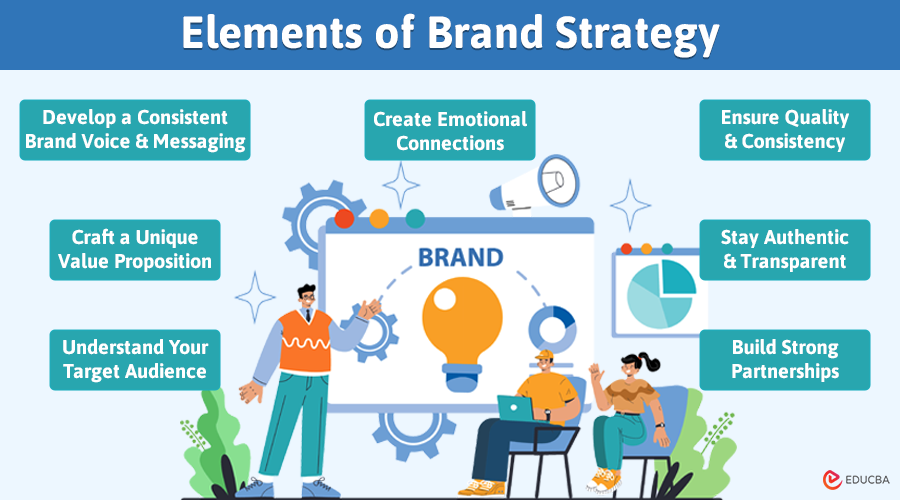
1. Define Your Purpose and Values
Your brand purpose is the reason your business exists beyond making a profit. Are you solving a problem, creating a new experience, or advocating for a cause? Similarly, your core values reflect what your business stands for and should resonate with your target audience.
2. Understand Your Audience
Knowing your audience is fundamental to crafting a relevant brand strategy. Conduct market research to understand your ideal customer’s needs, preferences, and pain points. Tailor your messaging to address these insights.
3. Develop a Unique Value Proposition (UVP)
Your UVP is what sets you apart from competitors. It answers the question, “Why should customers choose you over others?” Highlight the benefits and unique qualities of your products or services to position yourself as the best choice.
4. Create a Visual Identity
A cohesive visual identity—including your logo, color palette, typography, and design elements—is essential for brand recognition. Ensure these visuals align with your brand’s personality and resonate with your audience.
5. Establish Your Brand Voice
Your brand voice is the tone and style of your communication. For instance, a tech company might use a professional and innovative tone, while a lifestyle brand might adopt a friendly and conversational voice.
Crafting Effective Brand Messaging

To ensure your brand messaging resonates with your audience, focus on these principles:
1. Clarity
Avoid jargon or overly complex language. Your message should be easy to understand and clearly convey your value.
2. Consistency
Consistency builds trust. Use the same voice, tone, and key messages across all channels—your website, social media, email marketing, and advertising.
3. Emotional Appeal
People make decisions based on emotions, not just logic. Tell stories that evoke emotions, inspire action, and create a personal connection.
4. Relevance
Ensure your messaging addresses your audience’s needs and aligns with their values. Customize your communication to specific demographics or buyer personas.
5. Call to Action (CTA)
Every message should have a purpose. Include clear CTAs to guide your audience toward the next step, whether it’s making a purchase, signing up for a newsletter, or following your social media account.
Examples of Successful Branding and Messaging

- Apple: Apple’s brand strategy revolves around innovation, simplicity, and premium quality. Their messaging consistently emphasizes the emotional benefits of their products—creativity, productivity, and connection.
- Nike: With the iconic tagline “Just Do It,” Nike inspires customers to achieve their best, aligning their messaging with the values of perseverance and empowerment.
Conclusion
Building a strong brand strategy and messaging takes time and effort, but the rewards are undeniable. A well-defined brand builds trust, fosters customer loyalty, and differentiates you from the competition. By aligning your strategy with your values, understanding your audience, and delivering consistent messaging, your business can establish a memorable and impactful identity in the marketplace.
Invest in your brand today to set the foundation for lasting success. Your audience is waiting to connect with your story—make it one they won’t forget.