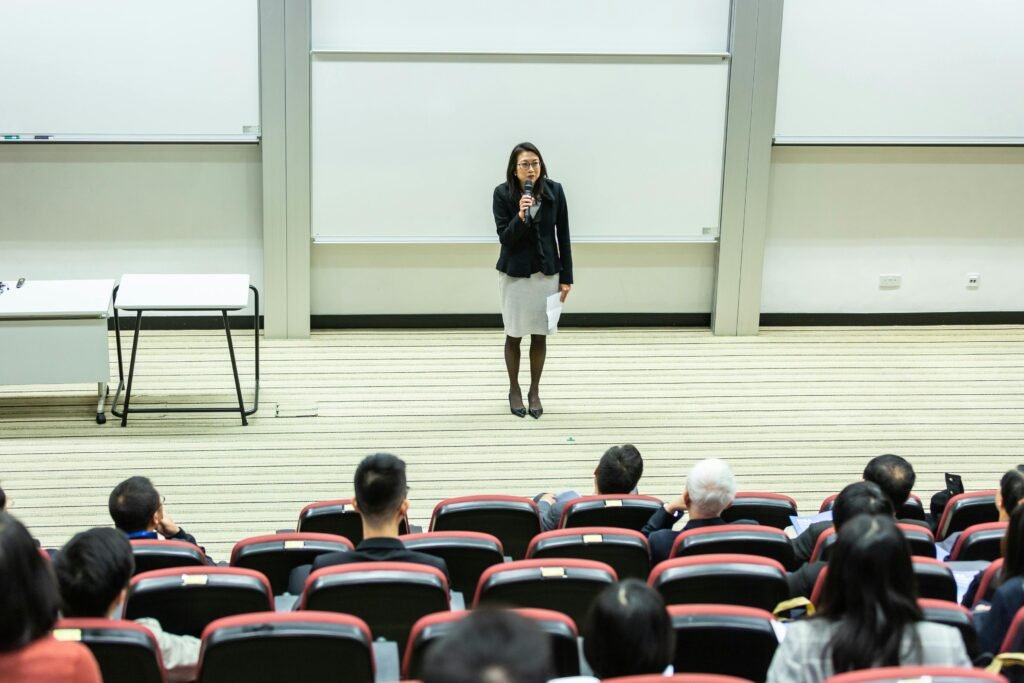
In today’s fast-paced and interconnected world, executives and spokespeople are often the face of their organizations, tasked with delivering key messages to the media, stakeholders, and the public. Mastering media interactions is essential for protecting and enhancing a company’s reputation. Media training equips leaders with the tools they need to communicate effectively, handle tough questions, and leave a lasting positive impression.
Here’s a comprehensive guide to understanding the importance of media training and how it can empower executives and spokespeople.
Why Media Training Matters
- Building Confidence Facing journalists or speaking on live television can be intimidating. Media training helps leaders build confidence in their ability to deliver clear, concise, and impactful messages.
- Managing Reputation Every word and gesture made during a media interaction reflects on the organization. Proper training ensures that executives represent the brand professionally, minimizing risks of miscommunication or damaging statements.
- Navigating Tough Questions Media interviews often include challenging or unexpected questions. Training prepares spokespeople to handle these scenarios gracefully while staying on message.
- Enhancing Credibility A polished and well-prepared spokesperson exudes authority and trustworthiness. Media training helps refine delivery techniques, ensuring a credible and professional presence.
Key Components of Media Training

- Message Development Media training begins with crafting clear and concise core messages. This involves:
- Identifying the main points to communicate.
- Aligning the message with organizational goals and audience needs.
- Using relatable language that resonates with diverse audiences.
- Interview Preparation Training includes mock interviews that simulate real-world scenarios, such as:
- Television or radio appearances.
- Press conferences.
- One-on-one interviews with journalists. Practicing in realistic settings builds familiarity and reduces anxiety.
- Bridging Techniques Spokespeople are trained to stay on topic using bridging techniques, which help redirect a question back to key messages. For example:
- Question: “What caused the delay in your product launch?”
- Response: “While challenges occurred during development, we’re excited to share that the final product exceeds expectations and will provide immense value to our customers.”
- Question: “What caused the delay in your product launch?”
- Non-Verbal Communication Body language, tone, and eye contact significantly influence how messages are perceived. Training focuses on:
- Maintaining a confident posture.
- Avoiding distracting gestures.
- Speaking with clarity and appropriate energy.
- Crisis Communication During crises, every word counts. Media training prepares leaders to:
- Address sensitive issues with empathy and transparency.
- Avoid speculation or assigning blame.
- Reassure stakeholders with clear steps the organization is taking.
Best Practices for Media Interactions

- Know Your Audience Tailor your message to resonate with the specific audience. Speak in terms they can relate to, avoiding technical jargon or overly complex language.
- Stay Calm Under Pressure Maintain composure even when faced with aggressive questioning. Pause before responding to gather your thoughts and deliver clear answers.
- Be Authentic Audiences value honesty and sincerity. Avoid overly rehearsed responses, and speak from a genuine place while staying aligned with your key messages.
- Avoid “No Comment” While it’s important to avoid saying anything that could harm your organization, responding with “no comment” can appear evasive. Instead, provide a neutral, truthful response such as, “We’re currently reviewing the situation and will provide updates as soon as possible.”
- Follow Up After the interview, follow up with journalists to clarify any misunderstandings or provide additional information. This reinforces professionalism and builds rapport with the media.
The Benefits of Ongoing Media Training

Media dynamics evolve constantly, with new platforms and challenges emerging regularly. Regular training ensures that executives and spokespeople stay ahead of trends and refine their skills over time.
Benefits include:
- Adaptability: Leaders become comfortable communicating across various platforms, including live streams, podcasts, and social media.
- Team Alignment: Ensuring all spokespeople convey a consistent message strengthens brand identity.
- Crisis Readiness: Proactive training prepares organizations to handle crises with poise and effectiveness.
Conclusion
Media training is an invaluable investment for executives and spokespeople, empowering them to navigate complex media landscapes with confidence and competence. By mastering message delivery, handling challenging questions, and maintaining a professional presence, trained leaders not only safeguard their organization’s reputation but also enhance its credibility and public trust.
Whether preparing for routine media engagements or high-stakes situations, media training equips spokespeople with the skills they need to shine.