In the modern business landscape, collaboration is key to growth. Whether it’s through strategic partnerships or securing valuable sponsorships, these relationships can drive visibility, increase revenue, and foster long-term success. However, managing these connections effectively is crucial. In this guide, we’ll explore the importance of sponsorships and partnerships, how to manage them, and provide actionable tips for business owners looking to harness the power of these relationships.
What Is Sponsorship and Partnership Management?
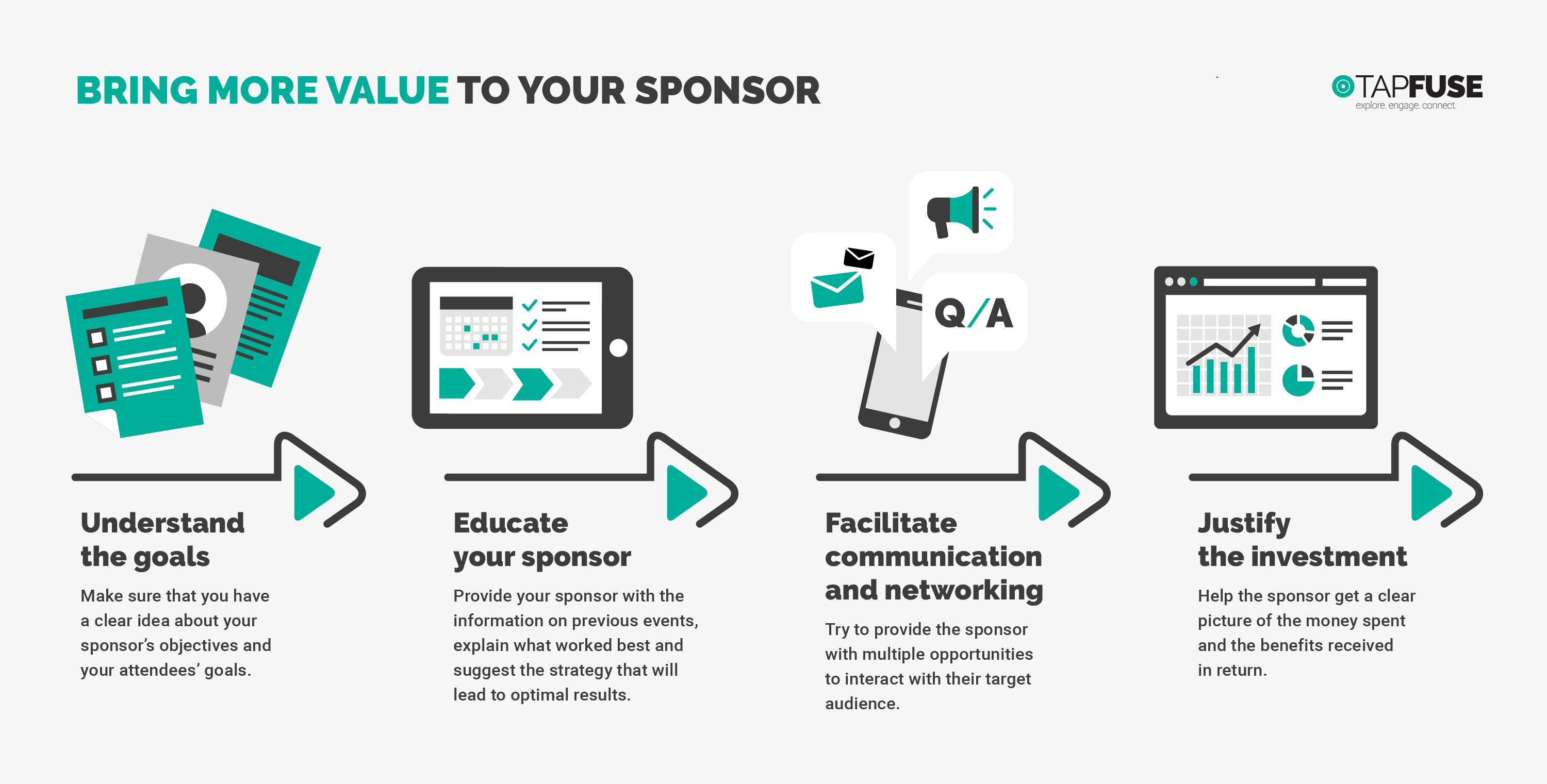
Sponsorship and partnership management is the process of overseeing and nurturing business collaborations with external entities such as individuals, companies, or organizations. These collaborations can take many forms: from a sponsorship deal for a local event to a partnership with another company to jointly develop a new product.
The goal is to ensure that both parties benefit from the agreement. Effective management of these relationships requires clear communication, alignment of goals, and mutual respect. By handling these collaborations well, businesses can increase their brand reach, access new markets, and secure additional funding or resources.
The Benefits of Sponsorships and Partnerships
1. Expanded Reach and Brand Visibility

Sponsorships and partnerships give your business access to new audiences. For example, sponsoring a popular podcast can expose your brand to its listeners, while partnering with another company might open doors to their customer base.
2. Resource Sharing

Collaborating with other businesses can help you share resources, such as technology, manpower, or expertise, to achieve common goals. This often leads to a more efficient use of resources, cost-saving, and more innovative outcomes.
3. Increased Credibility

Aligning your business with respected brands or organizations can boost your credibility and reputation. Customers are more likely to trust your brand when it’s associated with established names.
4. Access to New Markets

A well-executed partnership or sponsorship can give you entry into new markets. For instance, partnering with a business that has a strong presence in international markets might enable you to expand your business globally.
Types of Sponsorships and Partnerships
Before diving into management strategies, it’s important to understand the different types of sponsorships and partnerships. Here are a few common forms:
1. Event Sponsorships

Sponsoring events, such as conferences, sports tournaments, or charity fundraisers, is one of the most common ways businesses gain exposure. In exchange for financial support or resources, sponsors receive visibility, such as logo placement, advertising space, or public recognition.
2. Co-Branding Partnerships

This occurs when two brands team up to create a new product or service. Think of companies like Nike and Apple teaming up for a fitness tracker. Co-branding can boost brand equity for both companies by combining their strengths.
3. Affiliate Partnerships

In affiliate marketing, businesses partner with individuals or other businesses to promote their products in exchange for a commission on sales. This type of partnership works well for businesses with online products or services.
4. Strategic Alliances

Strategic alliances are formal collaborations between businesses that aim to share resources or capabilities. These are often long-term relationships, and they can include joint ventures or research partnerships.
Managing Sponsorship and Partnership Relationships
Effective management of these relationships requires more than just a handshake agreement. Below are steps you can take to ensure these relationships are productive and mutually beneficial.
1. Set Clear Expectations

The first step in any partnership or sponsorship agreement is establishing clear, measurable goals for both parties. What is each party hoping to achieve from the partnership? Define the deliverables, timelines, and expectations up front.
Example: If your business is sponsoring an event, you may want to outline exactly what kind of exposure you expect, such as how prominently your logo will be featured, how many social media mentions you will receive, or what other marketing opportunities will be made available.
2. Build a Relationship, Not Just a Transaction

A successful partnership isn’t just about the transaction—it’s about building a lasting relationship. Keep the lines of communication open, check in regularly, and provide support when needed. Strong relationships can help resolve potential issues before they escalate.
Example: Regular meetings with your partners or sponsors can ensure everyone stays aligned on the goals. A monthly email update summarizing progress and issues can be a simple yet effective way to keep the conversation going.
3. Track Results and Measure Impact
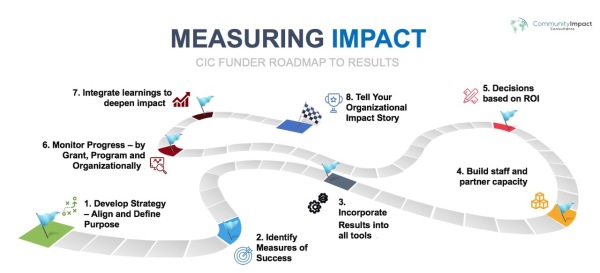
As with any business initiative, it’s important to track the results of your sponsorship or partnership. Establish key performance indicators (KPIs) to assess whether the collaboration is meeting your goals. KPIs can include sales metrics, customer acquisition numbers, or engagement rates.
Example: If your company sponsors a local sports event, track the number of new leads or customers gained as a result of the exposure at the event. A simple survey or feedback form can help gather insights from attendees.
4. Negotiate Win-Win Terms

Partnerships and sponsorships work best when both parties feel they are receiving equal value. Ensure that both sides have a clear understanding of the agreement’s benefits. It’s important to negotiate terms that are fair and create a win-win scenario for all involved.
Example: If you’re co-branding a product, negotiate terms that clearly define profit splits, intellectual property rights, and marketing strategies. Be upfront about what each party will contribute to the project.
5. Adapt and Evolve

Sponsorships and partnerships should evolve as your business grows. Regularly revisit agreements to ensure they continue to serve your company’s needs. What worked in the beginning may need adjustments as the partnership matures.
Example: A 12-month partnership might begin with a product launch. As the relationship grows, you could consider adding additional collaborations, such as joint webinars or social media campaigns, based on your evolving needs.
Tips for Maximizing Sponsorship and Partnership Success
- Leverage Social Media and Digital Marketing: Use social media platforms to highlight your partnerships. Share behind-the-scenes content, tag partners, and promote joint campaigns.
- Offer Exclusivity: Providing exclusivity can be a great incentive for potential partners or sponsors. Consider offering a partner exclusive marketing rights within a specific industry or region.
- Promote Cross-Promotion: Use your partner’s channels (social media, email newsletters, etc.) to cross-promote each other’s products or services. This can significantly expand your reach.
- Be Flexible: Sometimes things don’t go according to plan. Be willing to negotiate terms, adjust goals, and adapt to changes in the business environment.
- Show Appreciation: A little gratitude goes a long way. Acknowledge your partners’ contributions, whether it’s through thank-you notes, recognition at events, or public shout-outs on social media.
Conclusion
Sponsorship and partnership management is a powerful tool for business growth. When done effectively, it allows companies to expand their reach, share resources, and increase credibility. However, managing these relationships requires careful planning, clear communication, and ongoing evaluation. By following the tips outlined in this article, you can ensure your partnerships and sponsorships are successful, leading to increased business opportunities and long-term growth.