In the digital age, having an online presence is no longer a luxury but a necessity for businesses. However, just having a website is not enough. To stand out from the competition and attract relevant traffic, your website needs to be optimized for search engines. This is where SEO optimization services for business websites come into play. In this article, we will explore the importance of SEO for business websites, discuss the different SEO services available, provide actionable tips, and guide you on how to choose the right SEO optimization services for your business.
Understanding SEO and Its Importance for Business Websites
SEO, or Search Engine Optimization, is the process of optimizing your website to rank higher in search engine results pages (SERPs) for relevant search queries. The goal is to increase organic (non-paid) traffic to your website, thereby driving more potential customers to your business.
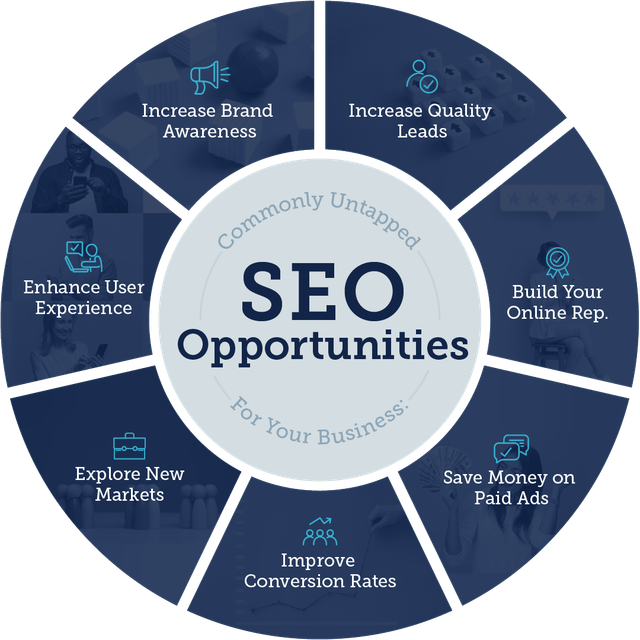
For businesses, SEO optimization is crucial because:
- Increased Visibility: SEO helps your website rank higher on search engines like Google, making it easier for potential customers to find your business.
- Better User Experience: An optimised website provides a better user experience, ensuring your visitors find what they need quickly and easily.
- Cost-Effective: Unlike paid advertising, organic search traffic is free, making SEO a more cost-effective long-term marketing strategy.
- Competitive Advantage: A well-optimised website can help you outshine competitors who may not be utilising SEO effectively.
Key SEO Services for Business Websites
To ensure that your business website performs well in search engines, a variety of SEO services are available. Here are some essential services to consider:
1. Keyword Research and Optimization
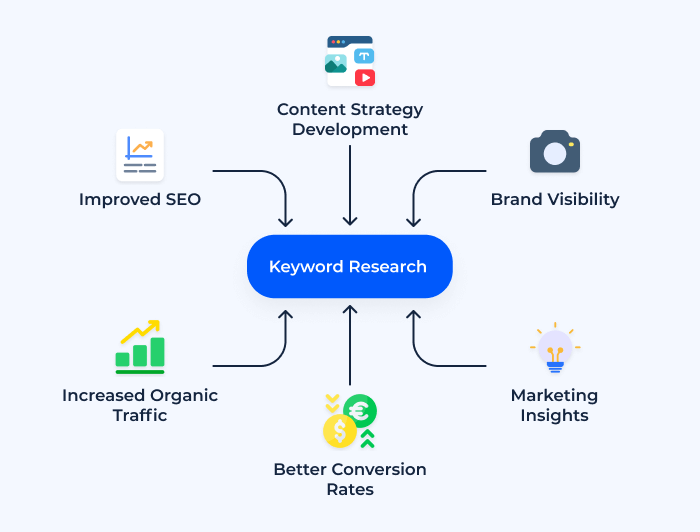
The foundation of any SEO campaign is keyword research. By identifying the right keywords—terms and phrases that your potential customers are searching for—you can create content that aligns with their needs.
- Example: If you run a local bakery, keywords like “best bakery in [city]” or “fresh pastries near me” would be ideal.
Actionable Tip: Use tools like Google Keyword Planner, SEMrush, or Ahrefs to find high-traffic, low-competition keywords. Focus on long-tail keywords (phrases with more than three words) to target a more specific audience.
2. On-Page SEO Optimization
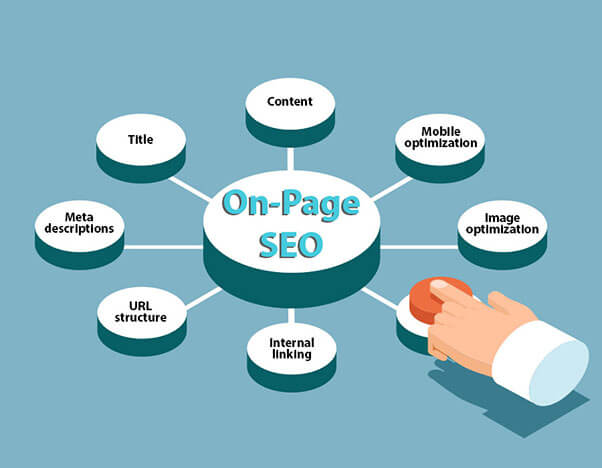
On-page SEO refers to optimizing individual web pages to rank higher in the search results. This involves optimizing the content, meta tags, images, and overall structure of your website.
Key elements of on-page SEO include:
- Title Tags: Craft unique and compelling title tags for each page. Ensure they include your target keywords and are within 60 characters.
- Meta Descriptions: Write concise, keyword-rich meta descriptions for each page. This encourages users to click on your site when it appears in the search results.
- Header Tags (H1, H2, H3): Use header tags to structure your content logically and improve readability.
- Internal Linking: Link relevant pages within your website to guide users and search engines to important content.
- Image Optimization: Compress images to improve page speed and use descriptive alt text to help search engines understand what the image is about.
Example: If you sell handmade jewelry, your product page could have a title tag like: “Handmade Silver Jewelry – Unique Designs for Every Occasion.”
Actionable Tip: Regularly update your content and ensure that all on-page SEO elements are aligned with current best practices.
3. Technical SEO

Technical SEO involves optimising the backend of your website to ensure that search engines can crawl and index your content effectively.
Key aspects of technical SEO include:
- Website Speed Optimisation: Google prioritises fast-loading websites. Use tools like Google Page Speed Insights or GTmetrix to test your website’s speed and make necessary improvements.
- Mobile Optimisation: With the rise of mobile internet usage, having a mobile-friendly website is critical. Ensure your website is responsive and performs well on all devices.
- XML Sitemap: An XML sitemap helps search engines understand the structure of your website and index it more efficiently.
- SSL Certificate: Google gives preference to secure websites (those with HTTPS). Ensure your website has an SSL certificate installed to encrypt user data.
Example: A website that loads in under three seconds is more likely to rank higher than a slow-loading competitor’s site.
Actionable Tip: Regularly perform site audits using tools like Screaming Frog or Google Search Console to identify and fix any technical issues.
4. Link Building
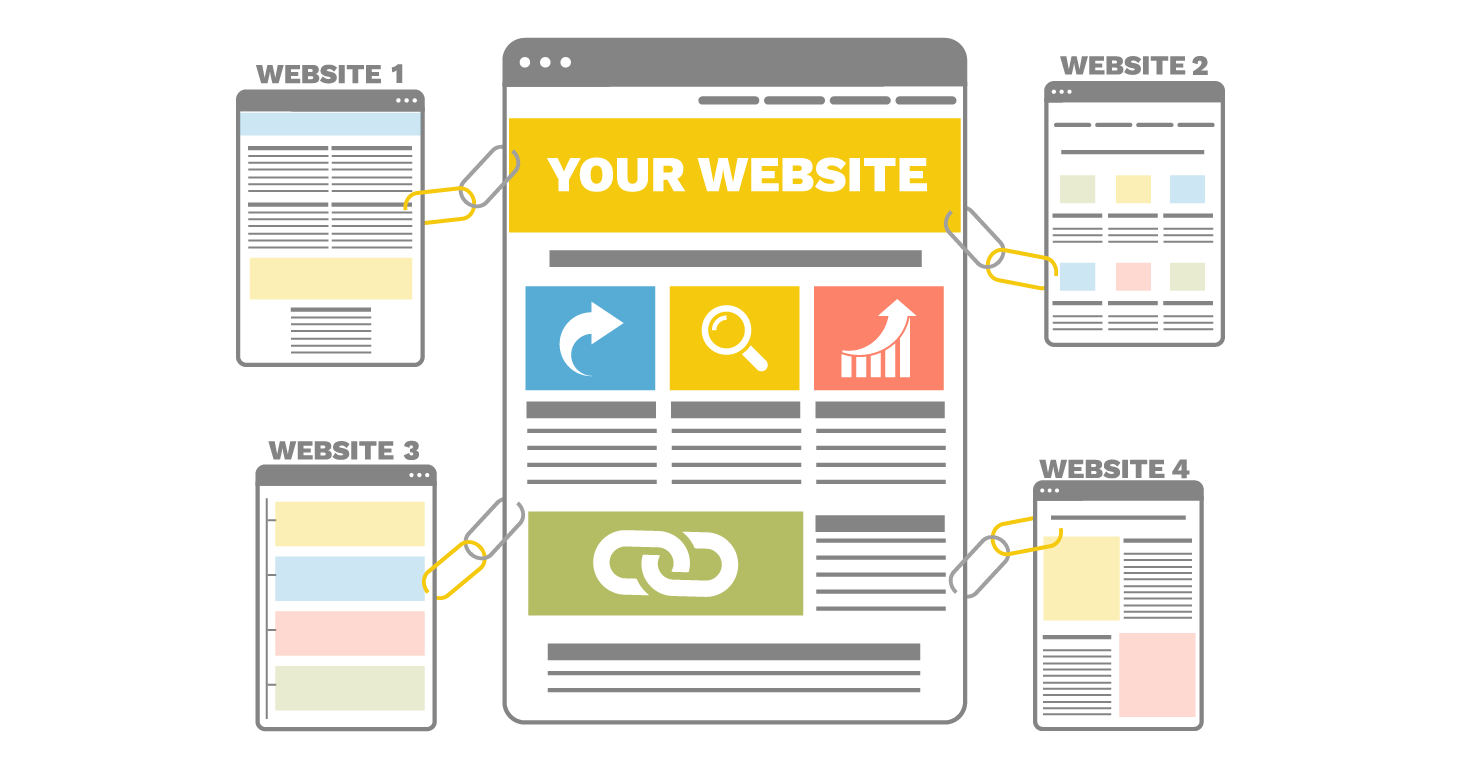
Link building is the process of acquiring backlinks (links from other websites to yours). Backlinks are a major ranking factor for search engines. Quality backlinks from authoritative websites help boost your domain’s credibility.
Actionable Tip: Focus on acquiring backlinks from reputable sources within your industry. Guest blogging, influencer partnerships, and content outreach are great ways to earn backlinks.
5. Content Creation and Marketing

Content is king when it comes to SEO. By creating valuable, informative, and engaging content, you can not only improve your rankings but also build trust with your audience.
Actionable Tip: Start a blog or resource centre on your website where you can publish long-form articles, case studies, and how-to guides that address your audience’s pain points.
How to Choose the Right SEO Optimization Service for Your Business
Selecting the right SEO service provider is crucial for achieving long-term success. Here’s what to look for when choosing an SEO company:
1. Proven Track Record

Choose an SEO company with a proven track record of success. Ask for case studies, testimonials, or references to gauge their ability to deliver results.
2. Customized SEO Strategy

Avoid companies that offer generic SEO services. Your business is unique, and your SEO strategy should be tailored to your specific needs, industry, and target audience.
3. White-Hat SEO Techniques
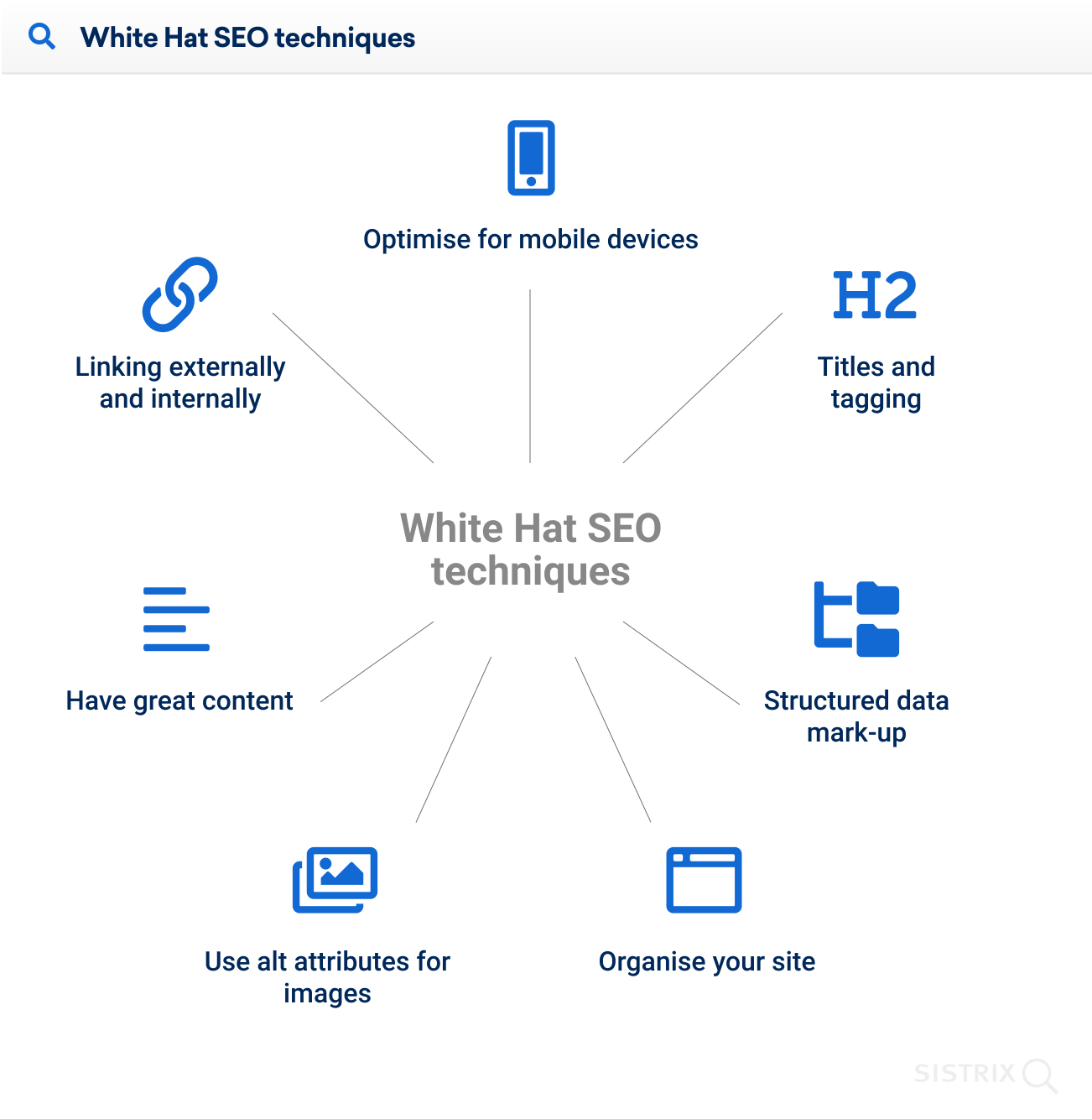
Ensure that the SEO provider uses ethical (white-hat) SEO techniques. Avoid companies that use black-hat tactics, such as keyword stuffing or link farming, as these can lead to penalties from search engines.
4. Transparency and Reporting

A good SEO service provider should offer transparent reporting and regular updates on your website’s progress. Look for a company that provides clear insights into your website’s performance, keyword rankings, and traffic growth.
Best Practices to Implement SEO Optimization for Your Business Website
To get the most out of your SEO efforts, follow these best practices:
- Focus on Local SEO: If you’re a local business, optimise your website for local searches by including your city or region in your keywords. Create a Google My Business profile to increase your visibility in local searches.
- Utilise Social Media: Share your content on social media to increase its reach and encourage engagement, which can indirectly improve your SEO.
- Monitor and Adapt: SEO is a long-term strategy that requires regular monitoring and adaptation. Use tools like Google Analytics and Google Search Console to track your website’s performance and make data-driven adjustments.
Conclusion
SEO optimisation services for business websites are essential for improving online visibility, driving traffic, and ultimately increasing conversions. By focusing on keyword research, on-page SEO, technical optimisation, link building, and content creation, you can significantly improve your website’s performance in search engines. Remember, SEO is a long-term investment that requires continuous effort, but with the right strategy and SEO provider, your business can reap the rewards.