Media placements in magazines and newspapers remain one of the most effective ways to gain credibility, visibility, and audience engagement. In this article, we will explore the ins and outs of securing these coveted placements, offering practical examples, actionable tips, and exclusive insights to help you navigate this process. Whether you’re a PR professional, business owner, or entrepreneur, this guide is packed with everything you need to know.
Why Media Placements Matter
Media placements offer several advantages:
- Credibility: Being featured in respected publications enhances your reputation.
- Reach: Magazines and newspapers have established audiences that can significantly amplify your message.
- SEO Benefits: Online editions of publications provide high-quality backlinks to your website.
Example:
When a small eco-friendly brand secured a feature in National Geographic, it not only boosted their website traffic by 40% but also doubled their social media following in a month.
Types of Media Placements
There are various ways to secure placements:
- Feature Articles: An in-depth story focusing on your brand, product, or service.
- Expert Quotes: Being cited as an expert in an article.
- Press Releases: announcements picked up by publications.
- Sponsored Content: Paid placements that look like editorial pieces.
Practical Tip:
Always tailor your pitch to the type of placement you are targeting. For instance, pitching an expert quote requires concise, authoritative information, while a feature story demands a compelling narrative.
How to Get Media Placements
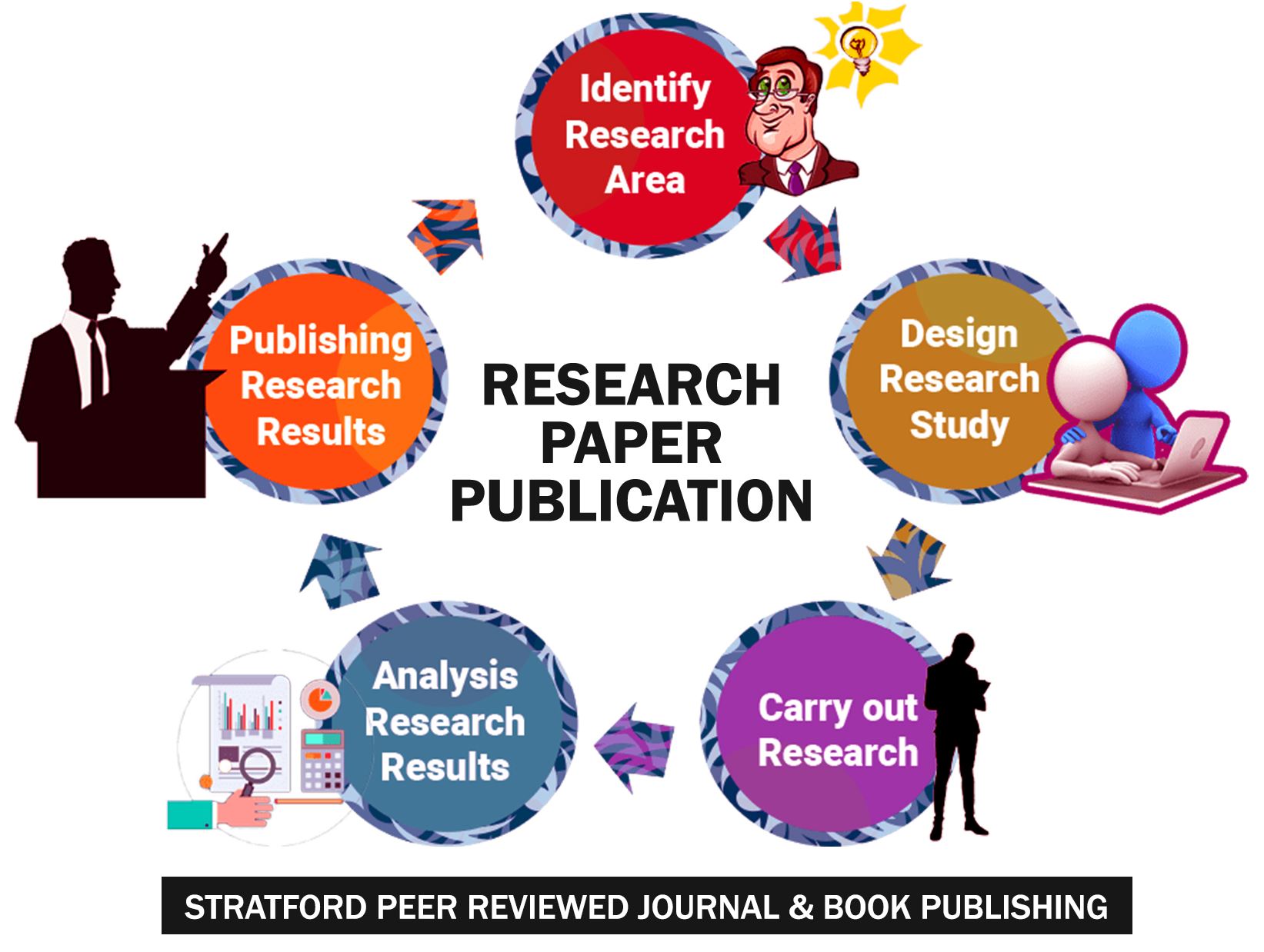
Step 1: Research Relevant Publications
Identify magazines and newspapers that align with your target audience. Look for sections or recurring columns that might fit your story.
- Actionable Tip: Use tools like MediaBistro or HARO (Help a Reporter Out) to connect with journalists actively seeking stories.
Step 2: Build Relationships with Journalists
Develop genuine relationships with journalists by:
- Engaging with their articles on social media.
- Sending thoughtful comments or feedback on their work.
- Providing valuable insights or tips relevant to their beat.

Step 3: Craft a Winning Pitch
Your pitch should be:
- Personalised: Address the journalist by name and mention their previous work.
- Compelling: Start with a hook that grabs attention.
- Relevant: Explain why your story matters to their audience.
- Concise: Keep it under 300 words.

Example:
A PR professional pitched a local bakery’s charitable initiative to a regional newspaper by tying it to a trending “pay-it-forward” movement. The result? A front-page feature.
Common Pitfalls to Avoid
- Generic Pitches: Avoid sending the same pitch to multiple outlets. Personalisation is key.
- Lack of Newsworthiness: Ensure your story is timely, unique, or tied to a trending topic.
- Ignoring Guidelines: Many publications have specific submission requirements. Follow them meticulously.
Exclusive Insights

Timing is Everything
Journalists work on tight deadlines. For daily newspapers, pitch early in the morning. For magazines, pitch several months ahead of publication dates due to long lead times.
Leverage Data
Provide exclusive data or research. For example, a study showing “70% of millennials prefer sustainable brands” can make your pitch more compelling.
Actionable Tips for Stainedcess

- Maintain a Media Kit: Include your company’s story, high-quality images, and key statistics.
- Follow Up: Send polite follow-ups if you don’t hear back within a week.
- Repurpose Content: Use your placements to create social media posts, newsletters, and website testimonials.
Visuals to Include

Recommended Images:
- High-Qualqualproduct shots: Place near the “Types of Media Placements” section.
- Infographic of Media Placement Workflow: Include in the “How to Get Media Placements” section.
- Example of a Featured Article: Screenshot of a published article in “Practical Example.”.
Conclusion
Securing media placements in magazines and newspapers is a strategic process that requires research, relationship-building, and effective pitching. By following the actionable tips and insights shared in this guide, you can enhance your chances of success and leverage media placements to grow your brand’s visibility and credibility.
Start today by identifying the publications that align with your brand and crafting pitches that resonate with their audience. Success is just one compelling story away.