Content creation is a crucial aspect of modern marketing strategies, but it can’t thrive without solid research as its backbone. Basic research services for content creation are invaluable for ensuring your work resonates with your audience, ranks well on search engines, and ultimately drives conversions. This article dives deep into the essentials of basic research services for content creation, providing practical examples, actionable tips, and exclusive insights to help you craft compelling content.
Why Basic Research Services Matter
Basic research services are the foundation of effective content creation. They help you:

- Understand Your Audience: Research enables you to identify your audience’s preferences, pain points, and interests.
- Identify Content Opportunities: Explore gaps in the market and find trending topics within your niche.
- Optimise for SEO: Research aids in targeting the right keywords, improving your content’s visibility.
- Build Credibility: High-quality research ensures your content is accurate and trustworthy.
- Enhance Engagement: tailored, research-driven content speaks directly to your audience’s needs.
Types of Research Services for Content Creation
Here are the primary types of research services that can elevate your content:
1. Audience Research
Understanding your audience is paramount. Services like surveys, polls, and analytics tools can provide insights into demographics, preferences, and behaviours.

Example: If you’re creating content for a skincare brand, audience research might reveal that your primary readers are women aged 25-34 looking for sustainable beauty products.
Actionable Tip: Use tools like Google Analytics, Facebook Audience Insights, or dedicated survey platforms like SurveyMonkey to gather valuable data.
2. Keyword Research
Keyword research ensures your content aligns with what your audience is searching for.
Example: If you’re writing about home workouts, keyword research might show that terms like “15-minute workouts” or “workouts without equipment” are highly searched.
Actionable Tip: Tools like SEMrush, Ahrefs, or Google Keyword Planner can help you discover relevant keywords with high search volume and low competition.
3. Competitive Analysis
Analysing your competitors helps you understand what works and how to differentiate yourself.
Example: A competitor’s blog on digital marketing trends may highlight their strengths in video marketing. You can use this insight to focus on another trending area, such as podcasting.
Actionable Tip: Use tools like BuzzSumo or SpyFu to identify competitor content strategies and performance metrics.
4. Trend Analysis
Understanding current and emerging trends helps keep your content fresh and relevant.
Example: A trend analysis might show that “AI tools for content creation” is gaining traction. You could create an in-depth article on the top AI tools and their practical applications.
Actionable Tip: Use platforms like Google Trends, Reddit, and social media listening tools to stay updated.
5. Fact-Checking and Data Gathering
Accurate information builds credibility. Fact-checking ensures your content remains reliable.
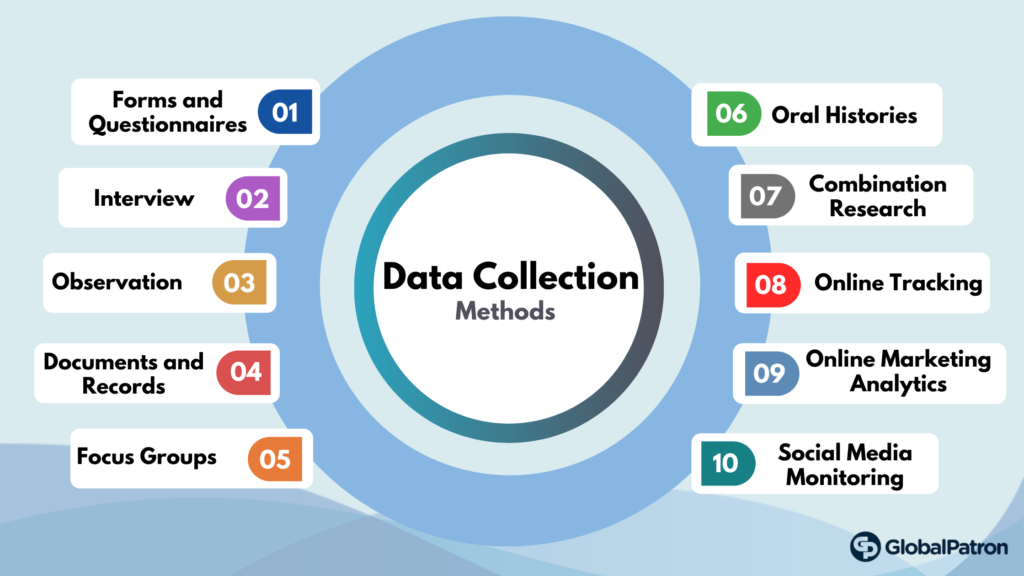
Example: If you’re writing about climate change, referencing trusted sources like IPCC reports adds authority to your content.
Actionable Tip: Cross-check information using credible sources like government websites, academic journals, and industry reports.
Practical Steps to Incorporate Research into Content Creation
Step 1: Define Your Goals
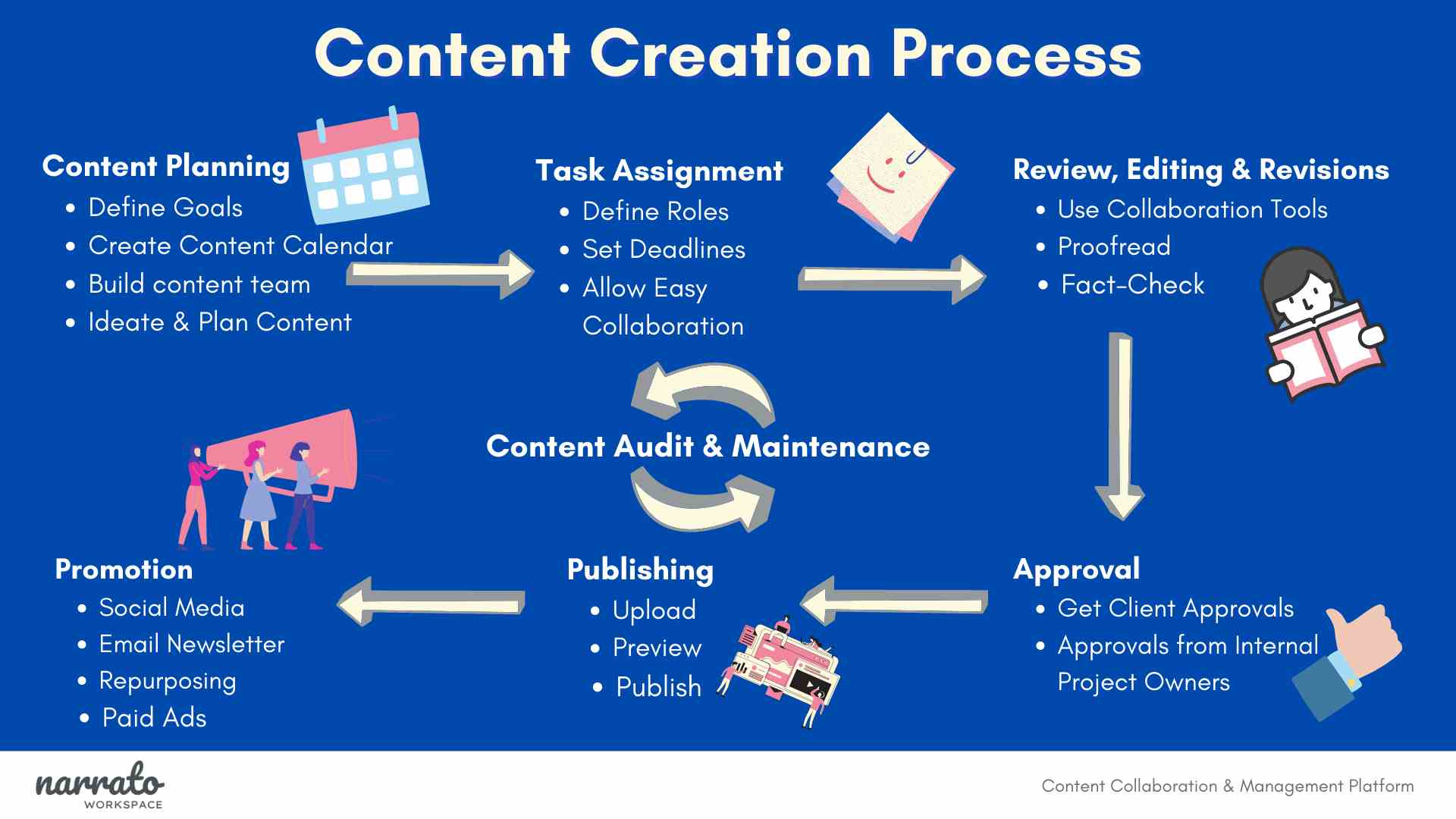
Understand what you aim to achieve with your content. Whether it’s increasing brand awareness, driving traffic, or generating leads, defining clear goals guides your research.
Step 2: Select the Right Tools
Choose tools and platforms that align with your research needs. For instance:
- SEMrush for keyword research
- Hootsuite for social media trends
- Google Analytics for audience insights
Step 3: Organize Your Findings
Create a structured format for your research. Use spreadsheets or dedicated project management tools like Trello or Asana to track your findings.
Step 4: Validate Your Sources
Ensure your data comes from credible sources. Avoid relying solely on user-generated content unless verified.
Step 5: Apply Research Findings
Use your research to craft engaging headlines, structure your content, and include data-backed insights.
Exclusive Insights on Advanced Techniques
Leveraging AI for Research
AI tools like ChatGPT and Jasper can assist in gathering preliminary data, generating ideas, and even draughtingngng outlines based on existing content trends.

Using Heatmaps
Heatmap tools like Crazy Egg or Hotjar provide insights into user behaviour on your website, helping you refine content placement and CTAs.
Conducting Original Research
Original surveys, interviews, or experiments can set your content apart. Exclusive insights derived from proprietary research enhance authority and engagement.
Best Practices for Effective Content Research
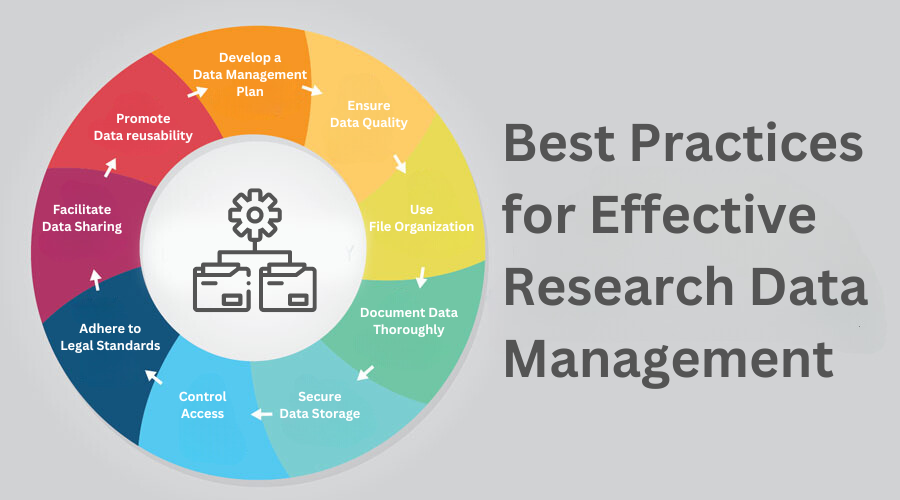
- Diversify Your Sources: Rely on a mix of tools, platforms, and qualitative methods for comprehensive research.
- Regularly Update Research: Trends and audience preferences evolve; ensure your research is up-to-date.
- Document Your Process: Keep a research log to streamline future projects and maintain consistency.
- Focus on actionable data prioritisesesights that directly influence your content strategy and execution.
Conclusion
Basic research services for content creation are indispensable for producing high-quality, impactful content. By understanding your audience, leveraging the right tools, and staying ahead of trends, you can create content that not only engages but also converts. Start implementing these tips and watch your content strategy flourish!